
Views: 0 Author: Site Editor Publish Time: 2026-06-09 Origin: Site


Supermarkets and produce packers face a constant operational challenge every single day. They must balance perfect product visibility against the high cost of produce shrink. Spoilage and transit damage eat heavily into profit margins before fresh items even reach the retail display shelf.
Retail food packaging has rapidly shifted toward transparent, rigid solutions to solve these complex cold-chain and merchandising problems. Modern supply chains demand packaging materials capable of surviving extreme temperature shifts. Simultaneously, these solutions must showcase the natural aesthetic appeal of highly perishable goods.
This article evaluates why hinged rigid containers dominate the modern produce aisle. We will examine their functional return on investment and outline exactly how they solve structural packaging dilemmas. You will also discover a clear, actionable framework for selecting the right packaging supplier.
Clamshell fruit containers reduce retail shrink by providing structural protection against crush damage during high-volume pallet stacking.
Precision ventilation and moisture control extend the shelf life of highly perishable goods, particularly berries and delicate produce.
Clear packaging drives consumer trust and point-of-sale conversions by allowing 360-degree visual inspection without compromising hygiene.
Modern procurement must balance these functional benefits with emerging regulatory requirements and consumer demand for post-consumer recycled (PCR) materials.
Produce damage inflicts severe financial impacts from the farm to the retail shelf. Supermarkets lose billions of dollars annually to spoiled fresh goods. A crushed strawberry punnet destroys the product margin instantly. Buyers must view packaging as an active investment in loss prevention. It is never just a simple line-item cost. Robust packaging actively defends retail profitability by ensuring more sellable weight reaches the final consumer.
Clear rigid plastics act as highly effective silent salespeople. Consumers require absolute visual confirmation of freshness before purchasing perishable goods. 360-degree transparency allows shoppers to inspect items thoroughly. They can easily spot mold or bruising from any angle. If shoppers cannot inspect the food visually, they often leave the item behind. Clear packaging removes this purchase hesitation entirely.
Consumer expectations regarding food safety have shifted dramatically in recent years. Shoppers prioritize hygiene more heavily than ever before. Secure snap closures prevent in-store tampering effectively. These mechanisms also stop harmful cross-contamination during transit. Shoppers feel reassured when they see an undisturbed, securely closed package in the produce cooler. You build lasting brand trust by protecting the physical integrity of the food.
Rigid container designs provide an immense logistical advantage. They protect delicate items from severe physical compression during warehouse storage. Farm workers stack pallets incredibly high to maximize freight efficiency. Corrugated master cartons carry the bulk of the vertical weight. However, individual containers still face significant internal compression forces. Engineered structural ribs distribute this downward pressure safely. Clamshell fruit containers excel at maintaining their shape under heavy transport loads.
Precision airflow engineering plays a critical role in preserving freshness. Fresh berries continue to breathe long after harvesting. They release moisture and ethylene gas constantly. Trapped moisture accelerates destructive mold growth rapidly. Targeted ventilation holes prevent dangerous condensation build-up inside the plastic walls. Strategic hole placement allows forced-air cooling systems to chill the fruit quickly. This airflow management extends shelf life by several crucial days.
Cold chain compatibility determines the ultimate success of fresh produce logistics. Harvested fruit moves through multiple extreme temperature zones. Field chilling stations drop temperatures aggressively. Refrigerated trucks maintain these cold environments across thousands of miles. Finally, open-air supermarket coolers fluctuate constantly as shoppers browse. Container materials must withstand these rapid temperature shifts seamlessly. They cannot crack, shatter, or warp under thermal stress.
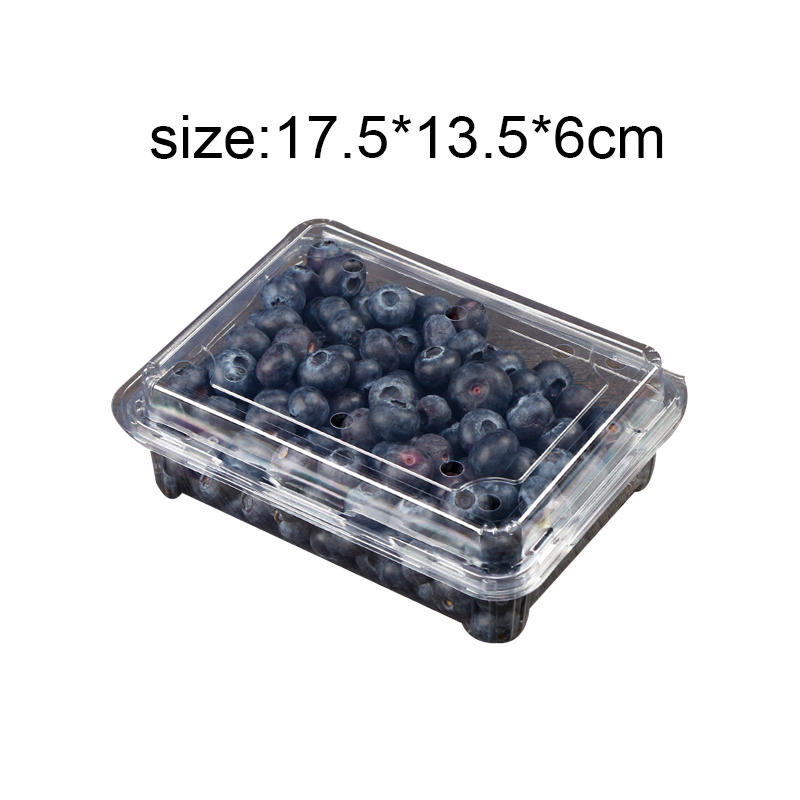
We must clarify the functional distinction between different rigid packaging formats. Traditional blister packaging uses a molded plastic cavity sealed against a flat backing board. You see this style frequently in non-food retail sectors like electronics. Produce requires an entirely different mechanical approach. Fresh food packaging relies on a one-piece hinged design. The lid and base remain connected, snapping shut securely without requiring secondary adhesives.
Operational efficiency on the packing line dictates packaging choices heavily. Farm workers must pack fresh fruit at blistering speeds. Integrated snap-closures save valuable seconds during the manual packing process. Traditional heat-sealed alternatives require heavy, expensive machinery. Many produce packing sheds lack the floor space for complex automated sealing lines. A hinged lid allows rapid manual closing, significantly reducing overall labor costs.
Different fruit categories demand specific packaging styles based on their biological needs. You must map your specific product to the correct container design.
Product Category | Respiration Rate | Optimal Packaging Format | Key Requirement |
|---|---|---|---|
Fresh Berries | Very High | Hinged Clamshell | Maximum ventilation holes, rapid cooling access |
Table Grapes | Moderate | Vented Clamshell / Pouch | Strong structural ribs to support heavy weight |
Pre-cut Fruit | High (Prone to oxidation) | Sealed Tub / Tight Clamshell | Tamper-evidence, liquid containment |
Hard Produce (Apples) | Low | Corrugated Box / Tray | Cushioning against physical bruising |
Consumers frequently complain about overly rigid or securely sealed plastics. "Wrap rage" is a documented phenomenon in retail packaging. Sharp plastic edges can cause minor injuries during opening. Modern design iterations actively solve this usability flaw. Engineers now incorporate ergonomic lift tabs into the lid designs. Tear-away strips provide seamless tamper evidence while remaining easy to open. These improvements perfectly balance product security against user accessibility.
Navigating the plastic waste reality requires an objective, evidence-based tone. We must actively avoid corporate greenwashing. Plastic waste undoubtedly represents a massive global environmental challenge. However, food waste produces significantly higher greenhouse gas emissions. Rigid plastic prevents premature food rot effectively. Removing protective packaging often results in disastrous levels of food spoilage. The industry must balance material reduction against necessary food protection.
The entire food sector is shifting heavily toward Recycled Polyethylene Terephthalate (rPET). Using rPET offers major regulatory compliance benefits for global brands. Post-consumer recycled materials reduce reliance on virgin fossil fuels. However, closed-loop recycling infrastructure still faces significant hurdles. Local municipal sorting facilities often struggle to separate thermoformed plastics from standard water bottles. Buyers must understand the difference between technically recyclable materials and universally accepted municipal waste streams.
Selecting the correct packaging vendor requires a rigorous evaluation process. You cannot simply buy the cheapest available option. A weak container will cause catastrophic product losses during transit.
First, buyers must verify specific food-contact compliance certifications. Vendors must provide documentation proving compliance with FDA guidelines in the United States. European markets require strict EFSA material certifications. These documents prove the plastic will not leach harmful chemicals into the fresh produce.
Next, you must evaluate customization options against standard catalog items. Investing in custom tooling makes sense for unique brand shapes. However, standard off-the-shelf containers usually provide better cost efficiency.
Scenario | Custom Tooling | Off-the-Shelf Stock |
|---|---|---|
Volume | High volume (>1 million units) | Low to medium volume |
Budget | High initial capital for molds | Zero tooling fees required |
Timeline | 10-14 weeks for prototyping | Immediate shipping availability |
Branding | Unique embossed logos | Standard shapes, reliant on labels |
Supply chain resilience ultimately defines a reliable packaging partner. You must evaluate a vendor’s total manufacturing capacity carefully. Ask about their domestic inventory levels versus international shipping lead times. Global freight delays can easily ruin a tightly scheduled harvest season. Vendors must demonstrate their ability to scale production rapidly during peak agricultural periods.
Request material specification sheets to confirm precise wall thickness and rPET percentage.
Order standard sample cases to conduct manual closure speed tests on your packing line.
Initiate a small-scale pilot test tracking transit durability across your standard freight routes.
Measure shelf-life metrics in a controlled cooler environment before committing to high-volume procurement.
Audit the vendor's contingency plans for unexpected resin shortages or manufacturing delays.
The dominance of the hinged clear container is no accident. It results directly from an unmatched ability to protect profit margins and ensure food safety. These packages drive retail sales by acting as transparent, protective display cases. They survive brutal cold chain logistics while keeping delicate produce intact.
Buyers must prioritize vendors offering scalable, compliant, and structurally sound solutions. The packaging must align perfectly with your daily operational realities. At the same time, procurement choices must reflect shifting global sustainability targets.
Always prioritize structural integrity to prevent crush damage during pallet transit.
Verify that ventilation engineering matches the specific respiration rate of your fresh produce.
Request FDA or EFSA food-contact certifications before initiating any pilot tests.
Balance your material choices by incorporating verified rPET content where municipal infrastructure supports it.
A: Berries are highly vulnerable to rapid moisture loss, mold proliferation, and physical crushing. Ventilated rigid plastics uniquely solve these issues. The hard outer shell prevents physical bruising during transit. Engineered ventilation holes allow excess ethylene gas and moisture to escape. This targeted airflow prevents rapid fungal growth, extending the shelf life of the berries significantly.
A: Most fruit containers use PET plastic, which is technically highly recyclable. However, universal acceptance varies heavily by municipality. Many local Material Recovery Facilities (MRFs) optimize their sorting optical scanners primarily for PET beverage bottles. Thermoformed plastics sometimes get mis-sorted. You should check your specific local municipal guidelines, as recycling infrastructure for thermoforms is currently expanding.
A: Fresh produce continues to respire after harvest, consuming oxygen and releasing carbon dioxide, ethylene gas, and water vapor. Engineered venting allows these trapped gases to escape the package. If moisture remains trapped inside a sealed plastic environment, condensation forms rapidly. This excess condensation creates an ideal breeding ground for bacteria and mold. Proper ventilation maintains safe humidity levels.


