
Views: 0 Author: Site Editor Publish Time: 2026-07-22 Origin: Site


Retailers and commercial kitchens face a constant battle daily. You must balance food visibility against overall shelf life. Shipping weight also complicates this daily equation. Opaque materials obscure visual freshness entirely. Heavy glass shatters easily on hard floors. Glass also spikes freight expenses during transport. Finding the right packaging material is crucial. It directly impacts your operational efficiency. It also affects your immediate retail sales.
This article provides a transparent, evidence-based evaluation. We examine commercial packaging solutions closely. We will compare various material grades. You will understand their true commercial impact. We establish clear procurement criteria. Operators upgrading their packaging strategy need these insights. You will learn how to scale retail sales effectively. You will also discover ways to optimize back-of-house storage. Let us explore how modern packaging transforms food service.
Visual transparency directly correlates with higher retail conversion rates by allowing verifiable product inspection.
Commercial-grade clear plastics (like PET and PP) offer a documented reduction in shipping weight and breakage liability compared to glass.
Selecting the right format—from deli tubs to blister packaging—requires matching thermal tolerance and barrier properties to specific food profiles.
Procurement evaluation must weigh unit cost against secondary factors like stackability, tamper-evidence, and local recycling compliance.
People often eat using their eyes first. Unobstructed product visibility reduces buyer hesitation immediately. Shoppers trust foods they can inspect closely. This drives impulse purchases in grab-and-go settings. A customer sees a vibrant salad. They notice the crisp greens inside. They buy it much faster than an opaque alternative. Transparency builds instant consumer confidence. It removes the mystery from pre-packaged meals.
Clear displays create a strong psychological impact. Consumers equate product visibility to superior ingredient quality. They perceive visible items as significantly fresher. High-clarity plastics showcase rich colors naturally. They highlight textures beautifully. You cannot achieve this visual appeal using cardboard. Freshness perception dictates retail success. Your packaging must act as a silent salesperson.
Security remains a paramount concern for consumers today. Modern designs incorporate safety features effortlessly. They do this without ruining the visual presentation. Tear-away bands provide immediate peace of mind. Customers feel entirely safe buying your products. Tamper-evident integration prevents unauthorized access. It also deters in-store tampering incidents. You protect your brand reputation effectively.
You must balance brand identity and visibility. Many brands struggle to place labels correctly. Strategic labeling real estate solves this problem. Base labels work perfectly for nutritional information. Partial band labels are also highly effective. They maintain strong brand identity effortlessly. They keep the main viewing window completely clear. Your food remains the primary focal point.
Best Practice: Place heavy nutritional text on the bottom panel. Reserve the top lid for minimal logos.
Best Practice: Use transparent label substrates. They blend seamlessly into the container walls.
Common Mistake: Slapping oversized opaque stickers across the top lid. This defeats the purpose of transparent packaging.
Common Mistake: Ignoring condensation issues. Hot foods need vented lids to prevent fogging.
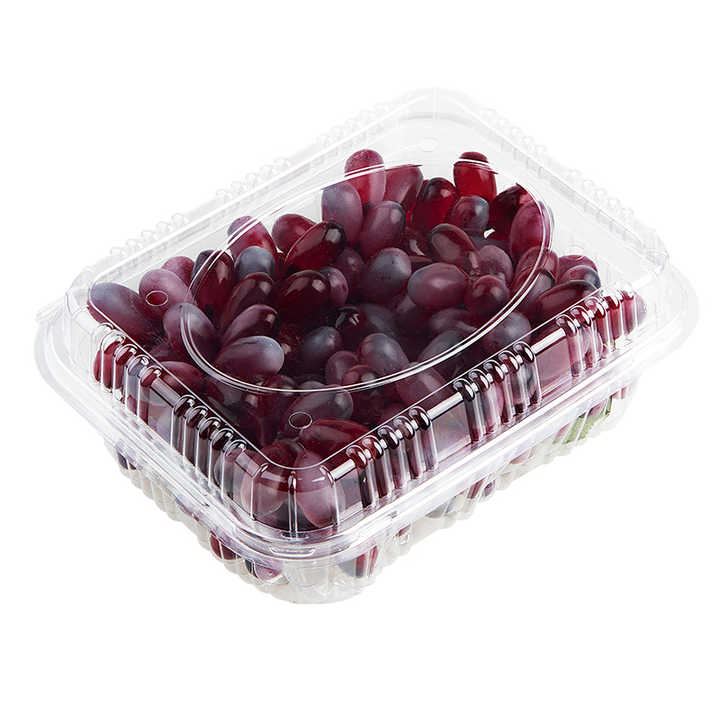
Back-of-house operations require maximum speed. Staff members move quickly during rush hours. Transparent containers eliminate unnecessary operational friction. Kitchen staff can conduct instant visual inventory audits. They never need to open sealed cases. They simply look at the storage racks. This saves countless labor hours weekly. It also prevents cross-contamination risks.
Walk-in coolers rarely have abundant free space. Every square inch holds massive value. Rigid plastics offer excellent nesting ratios. Empty units stack tightly together. Filled units stack securely on top of each other. This space optimization minimizes your warehouse footprint. You can store more inventory vertically. Your coolers stay organized and efficient.
Kitchens are inherently high-traffic hazard zones. Dropping glass causes dangerous situations instantly. Transitioning to shatterproof clear plastic food containers improves occupational safety. You eliminate dangerous shards. You reduce cleanup times drastically. Your staff remains safe during busy shifts. Product loss due to breakage plummets significantly.
Traditional packaging materials weigh a lot. Glass and heavy composites add immense bulk. Lightweight plastic offers massive physical advantages. It reduces the strain on your transport teams. Workers lift boxes much more easily. You fit more individual units onto a standard pallet. Your freight payload becomes highly efficient. You transport actual food instead of heavy packaging.
Choosing the correct plastic polymer is vital. The wrong choice ruins food quality. It can also pose safety risks. The industry relies primarily on two materials. Polyethylene Terephthalate is known as PET. Polypropylene is known as PP. Both offer distinct operational advantages. Both also have strict limitations.
PET excels in cold storage environments. It delivers unmatched high-clarity visuals. Retailers love it for premium displays. The material mimics glass perfectly. However, PET has strict limitations. It possesses very low thermal tolerance. You cannot put it in a microwave. The structure warps heavily under high heat. It is strictly for cold or ambient foods.
PP handles extreme temperatures exceptionally well. It is best for hot-fill applications. Consumers can microwave these units safely. Commercial kitchens can run them through dishwashers. PP is highly durable. The main limitation is visual clarity. It has a slightly cloudy appearance. It looks somewhat milky compared to PET.
Navigating safety compliance is absolutely crucial. You must verify BPA-free certifications. Ensure FDA food-contact compliance always. The FDA outlines strict guidelines under 21 CFR. Never assume a material is food-safe automatically. Check NSF standards for commercial reuse scenarios. Proper certification protects your business legally. It also ensures consumer safety.
You must address recycling streams transparently. Resin code #1 identifies PET. It enjoys very high recycling rates globally. Resin code #5 identifies PP. Curbside programs accept PP increasingly often. The industry is shifting focus rapidly. Manufacturers now incorporate post-consumer recycled (PCR) content. This reduces virgin plastic reliance. It improves your brand's sustainability profile.
Feature | PET (Polyethylene Terephthalate) | PP (Polypropylene) |
|---|---|---|
Visual Clarity | Excellent (Glass-like transparency) | Moderate (Slightly cloudy/milky) |
Thermal Tolerance | Low (Warps under high heat) | High (Microwave safe, Hot-fill safe) |
Ideal Use Case | Cold salads, fresh fruit, baked goods | Hot soups, microwaveable meals |
Recycling Code | #1 (Widely accepted) | #5 (Increasingly accepted) |
Every food item demands a specific format. A universal container simply does not exist. You must align the design to the product. Moisture levels dictate the required seal. Shelf life determines the barrier needs. Let us explore the dominant packaging formats available.
Rigid clamshells dominate the bakery aisle. They are ideal for delicate baked goods. They protect leafy salads perfectly. You must evaluate hinge durability carefully. Cheap hinges snap after one use. Leak-resistance is also critical. A leaking clamshell ruins the shopping experience. Always test closures before launching a product.
Specialty food items often rely on blister packaging. This format works best for high-visibility retail environments. It provides excellent individual portioning. It holds confections securely in place. It extends shelf life significantly. Modified atmosphere gases stay trapped inside. This keeps specialty items fresher for longer periods.
Deli tubs handle liquid-heavy items seamlessly. Injection-molded units store bulk foods efficiently. The industry standardizes these sizes heavily. Prioritize lid interchangeability always. One universal lid saves immense sorting time. Check freezer tolerance for long-term storage. Brittle plastics crack at sub-zero temperatures. Flexible injection-molded designs prevent this failure.
Vacuum-sealed clear pouches serve unique roles. They utilize highly flexible clear plastics. They are excellent for sous-vide cooking. They dominate frozen storage applications. Pouches provide extreme space-saving benefits. They conform tightly to the food shape. They remove oxygen entirely from the equation. This maximizes operational longevity.
Identify the maximum temperature the package will endure.
Determine if the product releases natural gases or moisture.
Select a format matching the retail display shelving.
Test the closure mechanism for ease of consumer use.
Upgrading your packaging requires a structured approach. Haphazard purchasing leads to operational chaos. You need a rigorous procurement framework. This ensures consistent quality across all locations. It minimizes costly supply chain disruptions. Let us define the exact steps for success.
Defining success criteria is your first step. You must prioritize specific barrier requirements. Oxygen control extends shelf life dramatically. Moisture barriers keep crackers crisp. Sometimes, barrier requirements trump aesthetic needs. You must weigh these factors based on targets. A three-day shelf life needs fewer barriers. A thirty-day target requires advanced polymer structures.
Implementation risks lurk in every transition. You must test seal integrity rigorously. Leaking packages destroy consumer trust instantly. Check automated line compatibility carefully. Lidding films must seal cleanly on machines. Testing your new clear plastic food containers prevents unexpected delays. Verify supply chain consistency. Your vendor must deliver on time.
Volume structuring dictates your purchasing strategy. You must navigate minimum order quantities carefully. MOQs can tie up significant cash flow. Negotiate these thresholds during the initial phases. Secure scalable pricing models early. Your retail distribution will grow over time. Your unit pricing should decrease accordingly. Build a relationship based on mutual growth.
Evaluation Stage | Key Focus Area | Actionable Step |
|---|---|---|
Stage 1: Qualification | Material Certifications | Request FDA, BPA-free, and NSF documentation. |
Stage 2: Physical Testing | Durability & Seals | Run sample drop tests and vacuum leak checks. |
Stage 3: Scalability | Volume Structuring | Review MOQ tiers and lead-time guarantees. |
Clear plastic food containers provide a massive strategic advantage. They bridge the gap perfectly. They combine premium display aesthetics with rigorous operational demands. Transparency drives sales. Lightweight durability improves safety. You simply cannot ignore these tangible benefits. The transition elevates your entire brand presentation.
Material selection remains your most critical decision. You must choose between PET and PP carefully. This selection must strictly align to the food’s thermal lifecycle. Heating PET causes disastrous warping. Freezing the wrong PP blend causes cracking. Know your product. Know your chosen polymer.
We recommend immediate action. Order sample runs from qualified vendors. Conduct physical stress tests in your own kitchens. Test stacking heights in your coolers. Check freezing tolerances. Verify heating capabilities. Secure real-world data before committing fully. A tested commercial transition guarantees long-term retail success.
A: No. Only specific plastics are rated for microwave use. Polypropylene (PP) handles heat safely. High-clarity Polyethylene Terephthalate (PET) will deform and melt. Always check the bottom stamp for microwave-safe symbols.
A: Glass offers superior gas barriers and an indefinite lifespan. However, plastic provides incredible cost, weight, and safety advantages. Plastic is significantly better for fast-moving commercial inventory where shattering is a risk.
A: Yes. Modified atmosphere packaging (MAP) replaces normal air with protective gas mixtures. Combining MAP with clear blister formats successfully extends the shelf life for many delicate perishables.
A: It depends heavily on commercial dishwashing chemicals and heat cycles. Over time, heat causes degradation. You must discard them when micro-abrasions appear. These scratches compromise both visual clarity and food safety.


