
Views: 0 Author: Site Editor Publish Time: 2026-07-14 Origin: Site


Selecting the wrong polymer for a blister pack disrupts thermoforming lines. It severely compromises product shelf life. You also risk regulatory non-compliance in strict global markets. Today, procurement and packaging engineers face a complex balancing act. They must align precise material requirements and machinery capabilities. Furthermore, evolving sustainability mandates dictate future packaging strategies. A hasty choice often causes wasted rollstock and costly machinery downtime.
Our comprehensive guide delivers an objective technical and commercial comparison. We thoroughly evaluate primary blister polymers. We aim to support your final vendor shortlisting and confident material selection. By understanding thermal limits, you optimize manufacturing operations. Let us explore how distinct material properties shape successful and compliant packaging lines.
PVC remains the legacy standard for cost and ease of thermoforming but faces strict environmental phase-outs globally.
PET is the dominant retail replacement for PVC, offering high clarity and broad recycling infrastructure (SPI Code 1).
PP delivers superior moisture barriers crucial for pharmaceuticals but requires specific tooling adjustments due to higher shrinkage rates.
PS is highly cost-effective for rigid trays and inserts but lacks the durability and barrier properties required for high-protection applications.
Machine compatibility (heating/cooling cycles) must dictate material transition planning; switching polymers requires re-evaluating form-fill-seal parameters.
Material choices ripple through your entire production floor. A polymer dictates how fast your machines run and how well your product survives storage. Understanding these impacts prevents expensive operational bottlenecks down the line.
Your material choice directly affects cycle times on form-fill-seal (FFS) machines. Each polymer features distinct heating thresholds and cooling behaviors. Operators must calibrate heating plates specifically for the chosen film. PVC melts and forms quickly. Conversely, alternative plastics require longer heat exposure. They also demand extended cooling phases to lock in their shape. Cutting stations experience varying degrees of wear. Brittle materials dull punch tools faster. These variables dictate your maximum viable output per shift.
Best Practice: Always audit your current FFS machine capabilities before switching materials. Older machines might lack the precise temperature controls required for modern eco-friendly films.
Packaging protects products from environmental degradation. We measure this protection using two critical metrics. The Moisture Vapor Transmission Rate (MVTR) defines how much water penetrates the plastic. The Oxygen Transmission Rate (OTR) indicates oxygen permeability. High MVTR ratings mean rapid moisture ingress. This ruins hygroscopic tablets and dry goods. Different polymers naturally provide different barrier levels. Engineers must match the polymer's innate OTR and MVTR to the product's required shelf life.
An objective assessment reveals the physical properties, benefits, and limitations of each primary polymer. No single material suits every application. You must weigh clarity, barrier performance, and environmental impact.
PVC Blister Packaging served as the industry baseline for decades. It provides excellent thermoforming characteristics. Machines mold it easily at lower temperatures. It boasts high compatibility with standard sealing lacquers. You can seal it reliably against aluminum lidding foils. It remains highly cost-effective for general use.
However, it faces a poor environmental profile. PVC releases toxic chlorine gas when incinerated. Recycling facilities largely reject it. Consequently, Extended Producer Responsibility (EPR) regulations increasingly penalize its use. Many global brands proactively ban it from their supply chains.
PET Blister Packaging dominates the modern retail landscape. It offers exceptional optical clarity. Consumers see the product perfectly. It delivers high mechanical strength, resisting impacts during transit. Crucially, it enjoys wide acceptance in global recycling streams (SPI Code 1). This makes it ideal for theft-deterrent retail clamshells.
Despite its advantages, limitations exist. It carries a marginally higher raw cost than standard PVC. It also provides lower moisture barrier capabilities compared to specialized laminates. Engineers often avoid it for highly moisture-sensitive clinical applications.
PP Blister Packaging offers the highest inherent moisture barrier among standard mono-materials. It handles aggressive chemicals without degrading. It meets strict FDA and EMA compliance for direct drug and food contact. Pharmaceutical companies rely on it to replace toxic barrier laminates.
The main challenge involves machinability. It shrinks significantly after forming. Operators find it difficult to thermoform consistently. It requires precise heat control and specialized plug assists. It demands longer cooling phases. These factors can noticeably slow down production speeds.
PS Blister Packaging excels in specific, low-demand applications. It remains extremely cost-effective. It is lightweight and easy to form into rigid geometries. Manufacturers use it extensively for internal packaging elements.
Its physical limitations restrict broader use. The material feels brittle. It snaps under moderate stress. It lacks visual transparency. Furthermore, it offers terrible barrier properties against moisture and oxygen. Engineers reserve it for secondary packaging, dunnage, or internal support trays.
Polymer | Clarity | Moisture Barrier (MVTR) | Thermoforming Ease | Recyclability |
|---|---|---|---|---|
PVC | High | Moderate | Excellent | Poor |
PET | Exceptional | Low to Moderate | Good | Excellent (SPI 1) |
PP | Moderate (Hazy) | Excellent | Difficult | Good (SPI 5) |
PS | Low (Opaque/Brittle) | Poor | Excellent | Poor to Moderate (SPI 6) |
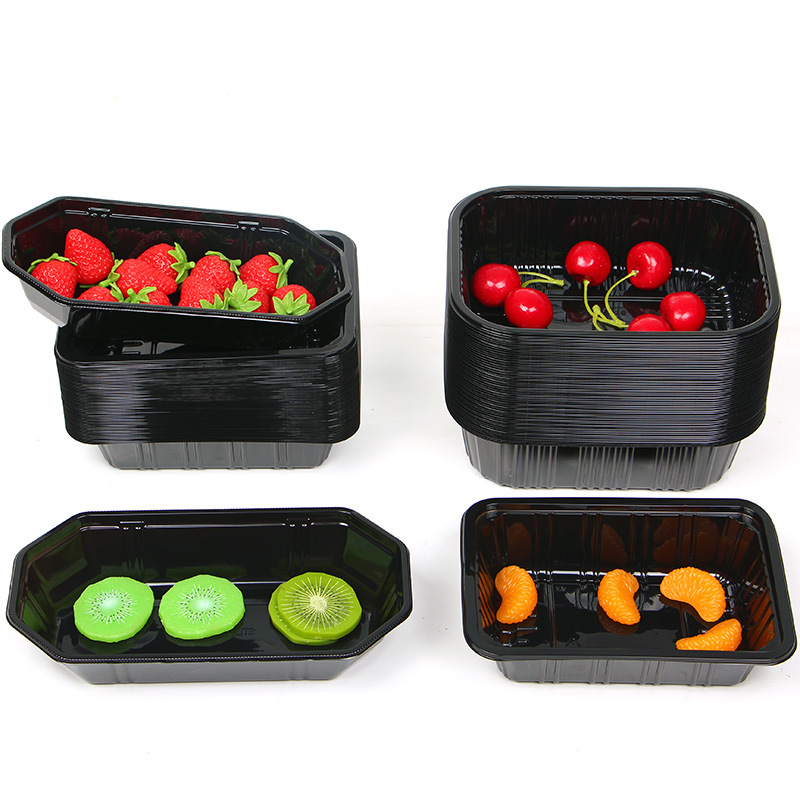
Selecting a material requires understanding industry-specific demands. Different sectors prioritize different packaging attributes. A medical device needs distinct protection compared to a retail electronic gadget.
Moisture control dominates pharmaceutical packaging. Tablets degrade quickly upon water exposure. Standard PVC fails to protect hygroscopic drugs adequately. Therefore, engineers specify PP for its high innate moisture barrier. Some extremely sensitive drugs still require high-barrier PVC laminates (like PVC/PVDC or Aclar). However, the industry pushes toward PP to simplify recycling while maintaining compliance.
Retailers demand visibility and sustainability. Big-box stores issue strict sustainability scorecards. They penalize brands using unrecyclable plastics. Brands rapidly shift toward PET. It perfectly balances visual product inspection with security. A thick PET clamshell prevents theft while satisfying municipal recycling facility requirements.
The food sector splits its material choices based on temperature exposure. Companies utilize PET extensively for cold-chain items. Salads and cut fruits look fresh inside highly transparent PET containers. Conversely, hot-food applications demand heat resistance. PP survives microwave heating without melting. It serves perfectly for portion-control blister packs and hot takeout trays.
Hardware packaging requires physical toughness. Heavy metal parts easily puncture weak blisters. Electronics require anti-static properties. Manufacturers leverage recycled PET (rPET) for these categories. It meets corporate ESG (Environmental, Social, and Governance) goals. It provides rigid theft prevention for small, expensive components. Specialized coatings add necessary anti-static protection.
Switching polymers looks easy on paper. In reality, it disrupts established manufacturing flows. Facilities must plan transitions carefully to avoid unacceptable defect rates.
Migrating away from legacy materials demands equipment adjustments. You cannot simply swap rollstock and press start. Machine operators must execute precise calibrations.
Heating Plate Temperatures: PET and PP require higher and more precise heating profiles than legacy plastics.
Plug Assists: Forming PP often requires specialized Teflon-coated plug assists to prevent material sticking and ensure even distribution.
Sealing Jaw Pressure: Different plastics require varied pressure and dwell times to bond correctly with aluminum or paper lidding.
Cutting Tools: Tougher materials dull standard knives quickly. You must upgrade to heated or heavy-duty cutting dies.
New materials introduce new defect types. When running PP, wall-thickness distribution causes major headaches. The plastic stretches unevenly into deep cavities. This creates weak corners that fail barrier tests. When running PS, operators battle crazing. Tiny micro-cracks form along stress points. Quality assurance teams must develop new inspection criteria for these specific flaws.
Common Mistake: Failing to adjust cooling cycles when running PP. Rushing the cooling phase warps the blister cavity, causing the lidding foil to wrinkle and leak.
Your thermoforming machine relies on consistent input. Minor variations in rollstock thickness cause major machine jams. Assess your vendor capabilities rigorously. They must provide film sheet tolerances within strict margins. Inconsistent material shrinkage ruins registration marks. This forces the sealing station to misalign. Partner only with suppliers who guarantee tight manufacturing tolerances.
Environmental legislation fundamentally reshapes packaging procurement. Governments aggressively tax plastics that harm the environment. You must integrate compliance into your material selection process.
The Society of Plastics Industry (SPI) codes dictate municipal recycling behaviors. Facilities actively sort and process Code 1 (PET). They sell it for a profit to textile and bottle manufacturers. Conversely, recycling centers reject Code 3 (PVC) and Code 6 (PS). These materials contaminate clean recycling streams. Understanding this distinction prevents brands from making false "recyclable" claims.
European and North American governments enforce Extended Producer Responsibility (EPR) laws. These frameworks financially penalize brands for generating unrecyclable waste. Upcoming legislation artificially raises the overall procurement cost of non-compliant PVC. Brands find that paying slightly more for raw PET saves money by avoiding hefty EPR eco-taxes.
The pharmaceutical industry faces a unique dilemma. The FDA and EMA enforce strict validation requirements for drug stability. Changing a blister material requires years of stability testing. Simultaneously, governments push for mono-material, recyclable alternatives. Balancing these slow-moving medical regulations with urgent sustainability mandates presents a massive challenge. Many companies pilot PP as a compliant middle ground.
Polymer selection dictates the success of your packaging operation. You must align physical properties with regulatory demands and machine capabilities. Choose PET for its unmatched retail clarity and widespread recyclability. Opt for PP when pharmaceutical barrier needs and chemical resistance matter most. Utilize PS strictly for low-cost, internal inserts. Proactively phase out PVC where regional regulations and eco-taxes dictate.
We recommend a cautious transition strategy. Do not commit immediately to mass production. Conduct a comprehensive pilot run on your existing thermoforming equipment. Use vendor-supplied sample rollstock. Test machinability, evaluate cycle times, and perform rigorous seal integrity tests. This data-driven approach prevents line downtime and ensures a flawless product launch.
A: Yes, but it requires specific parameter adjustments. PET demands slightly different heating and cooling profiles. It also requires sharper, more robust cutting tools. Once operators dial in the settings, PET runs exceptionally well on standard PVC thermoforming lines.
A: PP offers a naturally superior moisture barrier compared to PET. This physical property is critical for extending the shelf life of hydroscopic tablets and capsules. It prevents moisture from degrading the active pharmaceutical ingredients.
A: It is not entirely banned globally. However, regions like the EU and parts of the US heavily restrict and tax it. Due to stringent EPR penalties and poor recycling infrastructure, many global brands are proactively phasing it out of their supply chains.
A: PS generally stands as the cheapest material for rigid internal trays. Historically, PVC served as the lowest-cost clear polymer. Today, PET pricing has become highly competitive at scale, often offsetting the eco-taxes associated with legacy plastics.


