
Views: 0 Author: Site Editor Publish Time: 2026-05-14 Origin: Site


You might wonder if PET blister packaging is healthy for your furry friend. In most cases, PET blister packaging keeps products safe and well-protected, but you should still be aware of potential risks. Understanding what PET blister packaging is will help you make better choices for your pet’s health and safety.
PET blister packaging helps keep pet food and medicine fresh by blocking air and moisture.
Always store blister packs out of your pet’s reach to avoid chewing hazards.
Look for recycling symbols on PET blister packs to support environmental sustainability.
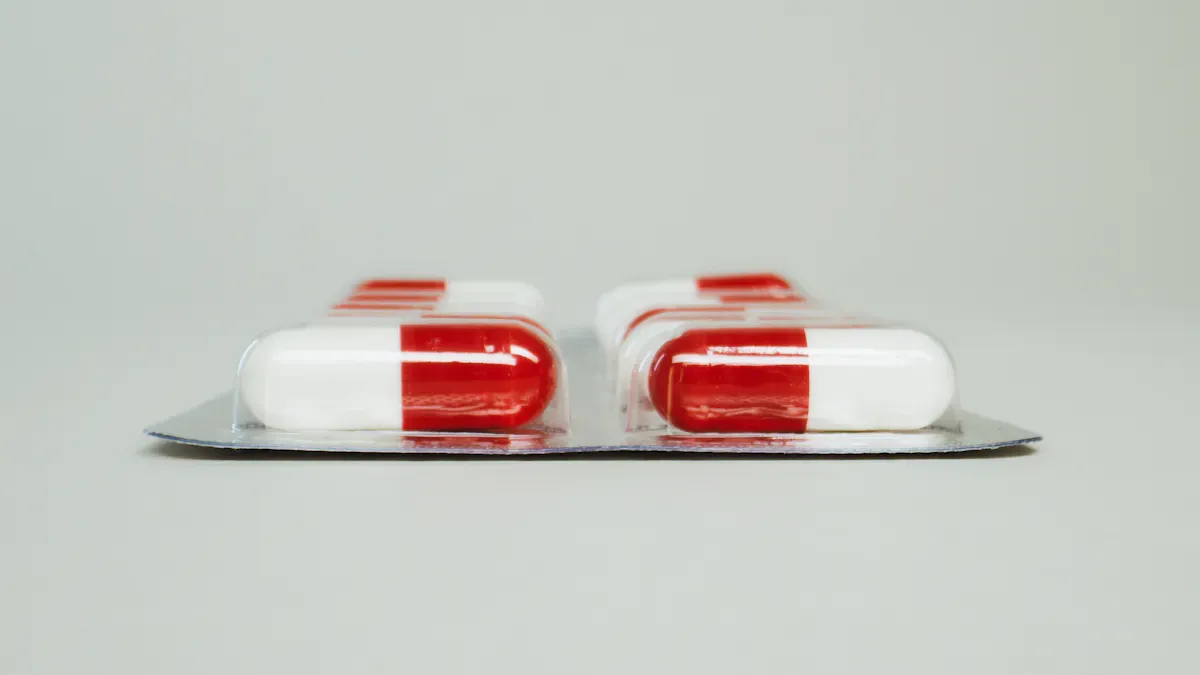
Image Source: pexels
When you see a product sealed in a clear, rigid plastic shell, it is likely PET blister packaging. These packs are made from polyethylene terephthalate, a strong and food-safe material.
Here is a simple breakdown of PET composition:
Component | Type | Role in PET Production |
|---|---|---|
Terephthalic Acid | Dicarboxylic Acid | Primary raw material |
Ethylene Glycol | Dialcohol | Reacts to form polymer chains |
Water | Byproduct | Released during polymerization |
PET provides excellent clarity and strength, allowing consumers to clearly see the product while protecting it from moisture and oxygen. Compared to PVC, PET is safer, more environmentally friendly, and easier to recycle. This makes it better for the planet.
PET blister packaging is widely used across the pet care industry:
Pet treats and chew products
Veterinary medications (e.g., flea and tick tablets)
Small pet accessories
It is also commonly used in human healthcare products such as vitamins and pharmaceuticals.
These packs provide strong sealing performance, extend shelf life, and are compatible with recycling systems in many regions.
PET blister packaging is generally safe, but improper use or exposure can create risks.
If pets chew on blister packaging, the material may break into sharp fragments. These fragments can cause:
Choking hazards
Oral injuries
Gastrointestinal blockage if swallowed
Although PET is considered non-toxic and safer than PVC, ingestion of any plastic material should be avoided.
Other materials pose higher risks:
Aluminum blister packs: sharp edges can injure the mouth or digestive tract
PVC blister packs: may contain harmful additives and release toxic compounds under certain conditions
PET blister packaging offers multiple functional advantages:
Barrier protection: prevents moisture and oxygen from degrading products
Product integrity: tamper-evident design ensures safety
Accurate dosing: individual compartments help control medication intake
Convenience: easy to track usage and avoid missed doses
Environmental benefits include:
Lower carbon footprint compared to PVC
High recyclability
No harmful emissions during incineration
Compatibility with mono-material sustainable packaging systems
To ensure safe use of PET blister packaging:
Tip: Always store blister packs out of reach of pets.
Best practices include:
Do not allow pets to chew or play with packaging
Dispose of empty blister packs immediately
Check aluminum-based packs for sharp edges
Use child-resistant packaging when available
Veterinary professionals highlight that blister packaging improves medication compliance and dosing accuracy.
Guideline | Description |
|---|---|
Safety | Prevents over- or under-dosing |
Medication Adherence | Helps avoid missed doses |
Enhanced Care | Supports better treatment outcomes |
Convenience | Simplifies administration |
Recycling is also recommended. Check local recycling guidelines for PET materials.
Alternative packaging formats include:
Flexible pouches (for dry food)
Resealable bags (for treats)
Paperboard cartons (eco-friendly dry packaging)
Polypropylene containers (durable and recyclable)
Paper-based blister packs (plastic-free innovation)
Biodegradable materials (plant-based solutions)
Despite these options, PET blister packaging remains widely used due to its balance of protection, clarity, and recyclability.
Veterinarians and packaging experts generally agree:
Blister packaging improves dosing accuracy and product safety
It reduces contamination risks and extends shelf life
However, they emphasize:
Keep packaging away from pets
Dispose of used packaging promptly
Choose safe, recyclable materials when possible
If you have concerns, consult your veterinarian for guidance on safe packaging and product handling.
PET blister packaging is safe and effective when used properly. It protects product quality and supports accurate usage, especially for pet medications.
However, it should always be handled responsibly:
Keep it away from pets
Dispose of it correctly
Choose sustainable options when available
If you are unsure, professional advice from a veterinarian can help you make the best decision.


