
Views: 0 Author: Site Editor Publish Time: 2026-09-28 Origin: Site


The packaging industry is currently undergoing a massive and necessary transformation. Increasing regulatory pressure and strict sustainability mandates force procurement teams everywhere to re-evaluate legacy packaging materials. You face a challenging core dilemma when navigating this global shift. You must balance the established cost-efficiency and proven machine compatibility of PVC against the rising compliance requirements and environmental recyclability of PET. Selecting the wrong plastic can severely disrupt your supply chain operations. It might also trigger costly regional compliance fines or alienate key retail partners.
This article provides a neutral, criteria-based framework to help buyers make informed decisions. We evaluate technical properties, long-term financial impacts, and critical implementation risks. You will learn exactly how to align material specifications with your unique production capabilities and regulatory demands.
Cost vs. Compliance: PVC remains the low-cost leader for baseline pharmaceutical and industrial use, but PET is rapidly becoming the standard for consumer retail due to global recyclability mandates.
Barrier Realities: Standard PVC and PET offer comparable baseline barrier properties, but strict pharmaceutical requirements often necessitate PVDC-coated PVC or cold-formed aluminum alternatives.
Implementation Risks: Transitioning from PVC to a PET blister pack requires adjustments to heat-sealing temperatures, tooling modifications, and potential slowing of machine run-rates.
Visual Merchandising: PET heavily outperforms PVC in optical clarity and structural rigidity for high-visibility retail applications like clamshell packaging.
Companies switch packaging materials today for several compelling reasons. Extended Producer Responsibility (EPR) taxes act as a massive catalyst across European and North American markets. Corporate ESG goals also drive rapid change across global supply chains. Furthermore, many major retail vendors now enforce incredibly strict packaging requirements. They increasingly demand recyclable materials before accepting new products onto their shelves.
You must define what a successful material choice looks like early in the process. We evaluate success based on several critical criteria:
Maintaining Shelf-Life: The material must control the Moisture Vapor Transmission Rate (MVTR) and Oxygen Transmission Rate (OTR).
Supply Chain Stability: The material must be readily available to avoid unexpected production downtime.
Unit Cost Control: The transition must keep raw material and processing expenses strictly within budget.
Machine Compatibility: The new plastic must run smoothly on existing forming lines.
There are significant adoption risks you must avoid during this transition. Never choose a material based solely on its raw unit price. You must carefully calculate hidden machine retrofitting costs. Ignoring regional compliance fines can destroy your profit margins instantly. A seemingly cheap material choice today might cost you dearly tomorrow. We see many companies ignore downstream operational impacts when they switch materials. They often experience severe production delays and high defect rates as a result.
Polyvinyl chloride (PVC) dominates legacy packaging formats for very good practical reasons. Operators highly value its impressive thermoforming efficiency. PVC offers a remarkably wide processing window during high-speed production. It requires much lower heat-sealing temperatures than many modern alternative plastics. This translates directly to minimal wear and tear on your existing machine tooling. PVC provides reliable, consistent mechanical performance day after day.
Let us examine the basic cost-benefit analysis of this legacy material. PVC typically features a notably lower upfront raw material cost. It also delivers exceptionally high yield rates during the manufacturing process. These distinct economic factors make it highly attractive for budget-conscious procurement teams globally.
However, you must thoroughly understand the material's barrier ceiling. Raw PVC possesses only moderate natural barrier properties. It provides perfectly adequate protection for standard hardware and daily consumer goods. Yet, strict pharmaceutical applications almost always demand much more robust protection. You often need a secondary coating, such as polyvinylidene chloride (PVDC), to achieve optimal drug protection. This added chemical layer significantly complicates the recycling process.
Finally, we must address the growing environmental trust gap surrounding PVC. Its overall market share is objectively declining worldwide. Its high inherent chlorine content poses severe environmental and processing challenges. Improper disposal or incineration can release toxic byproducts into the surrounding ecosystem. Consequently, major international retail chains have implemented outright bans on PVC packaging. You risk losing vital retail partnerships if you stubbornly stick to legacy materials unconditionally.
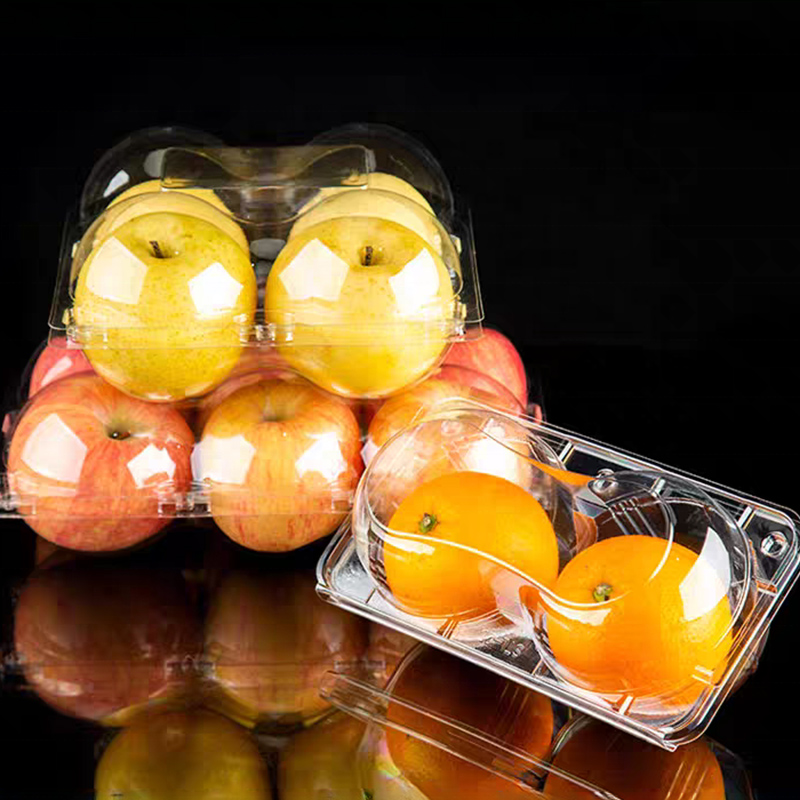
Polyethylene terephthalate (PET) now sets the undisputed standard for modern retail environments. It offers incredible retail appeal and commands consumer attention. PET boasts superior optical clarity when compared directly to legacy plastics. This glass-like transparency makes your products look premium on the crowded store shelf. It provides high impact resistance and impressive structural durability. This specific combination makes it perfect for a thermoformed tray or a robust retail package. Customers inherently appreciate the clean, high-quality visual presentation.
The underlying waste-to-value economics give PET a massive structural advantage. It benefits immensely from highly established global recycling streams. PET proudly carries the universally recognized Recycle Code 1. This classification drastically reduces your brand’s exposure to rising international plastic taxes. Many local municipalities actively collect and efficiently process PET waste. This creates a functional circular economy. It aligns perfectly with modern corporate ESG initiatives.
Despite these clear benefits, you will face specific engineering challenges during implementation. PET features a slightly narrower thermoforming temperature window. You must heat it very precisely to achieve optimal forming results. If you do not specify the material properly, PET can become more brittle than PVC. You must choose carefully between standard APET and modified PETG depending on your sealing needs. This technical transition requires highly precise machine calibration. Your engineering team must carefully adjust heating plates and cooling stations. Ignoring these mechanical nuances will inevitably lead to cracked packages.
Procurement teams need objective, standardized data to make deeply informed decisions. We created a framework to help you evaluate these materials systematically against your production goals.
Material Performance Comparison Matrix
Material Metric | PVC (Polyvinyl Chloride) | PET (Amorphous / APET) |
|---|---|---|
Optical Clarity | Good (Slightly cloudy or blue tint over time) | Excellent (Glass-like transparency) |
Recyclability | Poor (Recycle Code 3, often banned or taxed) | Excellent (Recycle Code 1, globally accepted) |
Sealing Ease | Excellent (Seals easily to standard lidding foils) | Moderate (Requires precise heat or specialty coatings) |
Base Barrier Properties | Moderate (Upgraded via PVDC coatings) | Moderate (Comparable to raw PVC) |
Product protection remains the fundamental purpose of any packaging solution. You must actively compare the baseline moisture and oxygen transmission rates. Standard PVC and standard PET perform quite similarly in this specific regard. Both offer moderate protection against atmospheric moisture. They handle ambient oxygen exposure reasonably well for standard consumer lifespans.
However, both materials eventually hit a strict performance ceiling. There is a distinct functional threshold where standard PET vs PVC blister packaging simply fails to protect the product. Highly sensitive pharmaceutical compounds demand extreme moisture barriers. In these strict scientific scenarios, basic plastics cannot ensure a safe shelf life. You must upgrade to high-barrier laminates like Alu-Alu (cold-formed aluminum). Understanding this exact chemical threshold prevents catastrophic product degradation and avoids costly regulatory recalls.
Your production lines heavily dictate how smoothly a material transition ultimately goes. PVC seals exceptionally easily to standard foil or paper backings. It forgives minor temperature fluctuations on the high-speed packaging line. Conversely, PET often demands highly specific heat-seal coatings on your selected lidding materials. You usually cannot use the exact same lidding foil for both distinct plastics.
Switching materials creates immediate operational financial impacts. Re-tooling your packaging machines requires significant capital investment and engineering time. You might need to swap out specialized heating plates and hardened cutting dies. Filling lines often experience a noticeable drop in overall run speeds initially. Operators must climb a steep learning curve to optimize the new forming process. You should account for these short-term financial impacts deeply during your initial planning phase.
Aggressive environmental marketing claims often clash with stark logistical realities. You must contrast theoretical material recyclability with actual curbside recovery rates. PET is undeniably more recyclable on paper. Most modern municipalities process it quite efficiently. Consumers intuitively know how to recycle clear PET beverage and food containers.
However, we must maintain a balanced, highly realistic view of global infrastructure. Waste management infrastructure varies wildly depending on your target geographic market. PVC still dominates heavily in regions lacking advanced recycling technology. If local facilities cannot accurately sort plastics by resin type, everything simply goes to the landfill regardless. Therefore, PET provides massive environmental value in developed retail markets. Yet, it loses its distinct environmental edge in emerging regions without proper waste management systems.
We highly recommend tailoring your final choice to your specific industry constraints. One single material definitely does not fit all potential applications.
For Pharmaceuticals & Nutraceuticals: We generally recommend staying with your current PVC or PVDC structures. Legacy FDA or EMA stability testing is incredibly expensive to redo. Re-validating a brand new material takes years of rigorous testing. Do not switch plastics unless you possess the extensive budget and timeline required for a multi-year re-validation process.
For Retail Consumer Goods & Electronics: We strongly recommend an immediate structural transition to PET. Major retailers frequently publish very strict sustainability guidelines. They actively penalize brands relying on non-recyclable packaging. Upgrading to clear APET structures drastically improves your visual shelf presentation. It guarantees long-term compliance with stringent vendor scorecards.
For Hardware & Industrial Components: You should evaluate your options based purely on operational cost-efficiency. Environmental compliance is not strictly enforced in every single industrial sector yet. If your specific market lacks these mandatory regional mandates, PVC remains highly attractive. It serves as the most cost-effective solution for heavy-duty industrial trays. It reliably handles heavy, sharp metal parts without cracking under stress.
There is fundamentally no universal "best" material in the packaging world. Success depends entirely on the correct alignment of material properties. You must balance these physical traits with your specific regulatory demands. Your unique machine capabilities also dictate what you can run efficiently on a daily basis. We strongly advise procurement teams to run rigorous small-scale machine trials first. Never commit to a massive, facility-wide material swap blindly.
Always request comprehensive financial modeling and operational estimates from your packaging suppliers. This professional diligence prevents unexpected machine downtime and severe budget overruns. For your highly actionable next step, request a material consultation today. Ask for a physical sample pack to thoroughly test thermoforming compatibility directly on your existing packaging lines.
A: Yes, you can run PET on existing machinery, but it requires mechanical adjustments. You will likely need to modify heating plates, increase sealing pressure, and upgrade cooling stations. Cycle speeds may initially decrease as operators learn the new processing parameters. Proper engineering calibration is absolutely essential.
A: Raw material costs constantly fluctuate, but PET historically prices slightly higher upfront. However, this raw material cost can be highly deceptive. Avoiding regional plastic taxes and escaping retailer non-compliance penalties often makes PET financially cheaper over the long run.
A: Standard APET and standard PVC possess comparable, baseline barrier properties. Neither plastic offers superior inherent protection over the other. Furthermore, neither is sufficient for highly moisture-sensitive drugs without specialized laminations. You will definitively need advanced barrier coatings for critical pharmaceutical applications.
A: APET is the standard, most common form of PET. It offers excellent optical clarity but can become somewhat brittle under high stress. PETG is chemically glycol-modified. This molecular modification makes it significantly easier to heat-seal and thermoform. However, PETG typically carries a noticeably higher raw material cost than APET.


