
Views: 0 Author: Site Editor Publish Time: 2026-09-14 Origin: Site


The packaging industry is undergoing a massive shift. Brands rapidly adopt polypropylene (PP) as a sustainable, moisture-resistant alternative to traditional PVC and PVDC materials. This transition promises excellent environmental benefits and strong barrier performance. Regulatory bodies increasingly favor mono-materials for recycling streams.
However, working with this polymer introduces specific engineering challenges. Polypropylene has a notoriously narrow thermoforming temperature window. It experiences higher shrinkage rates than legacy plastics. Procurement savings can quickly disappear into high defect rates on the production line if you do not rigorously validate product quality. A cheaper roll of film offers no value if it constantly jams the blistering machine.
We must approach quality assurance strategically to succeed. In this article, you will discover an evidence-based framework for evaluating blister integrity. We will show you how to ensure strict compliance without over-engineering your testing protocol. Proper testing protects both the patient and your bottom line.
PP requires specialized seal strength and barrier testing due to its unique thermal properties.
Transitioning from destructive testing (dye ingress) to non-destructive Container Closure Integrity Testing (CCIT) can lower long-term QA costs.
Validating PP blister packaging specifications against ISO 11607 and USP <671> is non-negotiable for medical and pharma applications.
Vetting your PP blister packaging supplier based on their in-house validation data (IQ/OQ/PQ) mitigates downstream production risks.
Polypropylene offers incredible mono-material benefits. We appreciate its recyclability compared to older, complex PVC structures. However, it behaves quite differently on the production line. Legacy materials like PVC absorb heat forgivingly. You can run machines faster without worrying about slight temperature drops. PP resists heat absorption differently. When you heat PP, it transitions from a rigid solid to a formable state rapidly. You have a very narrow temperature window for successful thermoforming. If you miss this tight window, the material stretches unevenly. You often observe severe wall thinning during deep-draw applications. This thinning compromises the entire package.
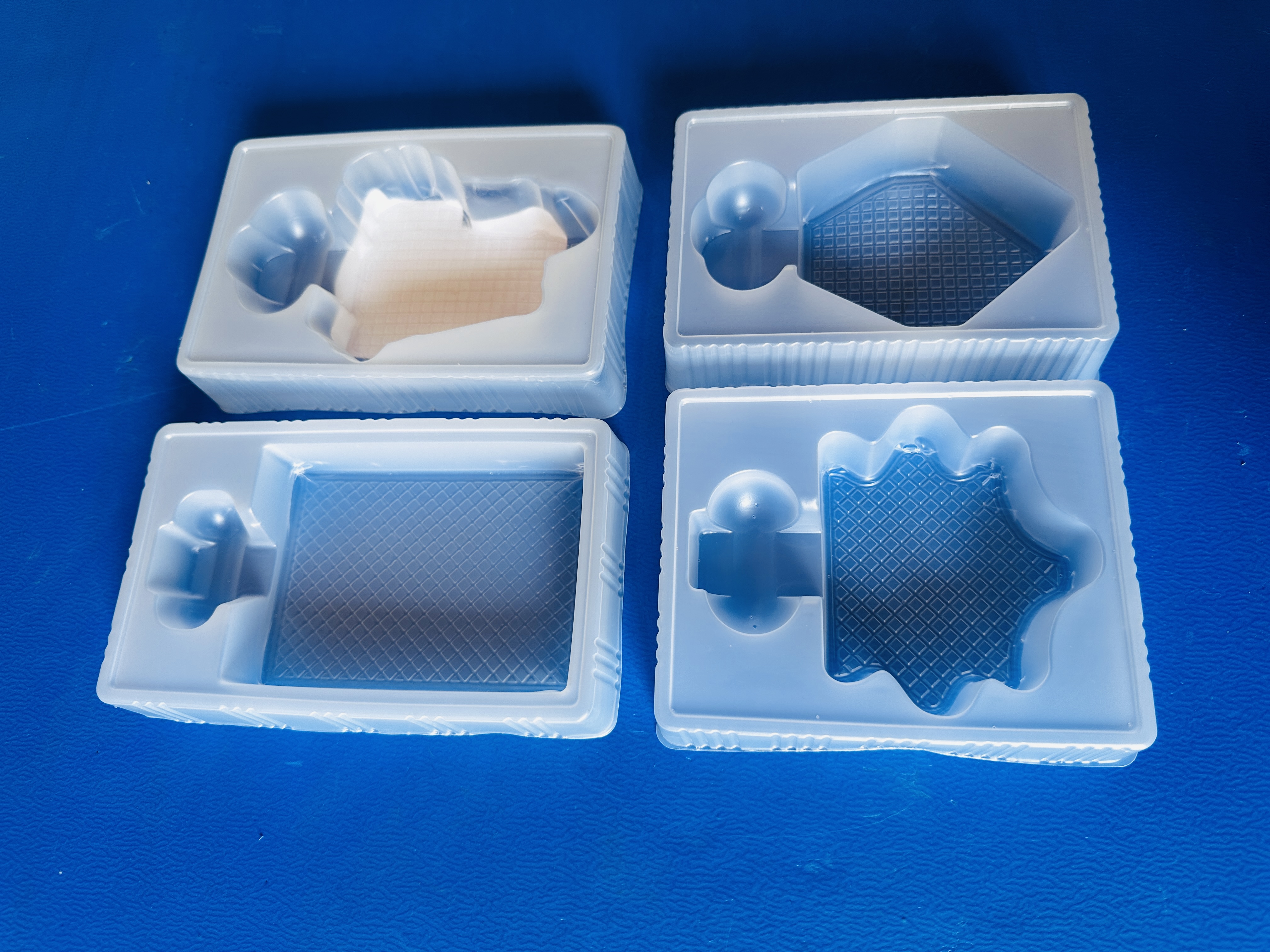
Brands constantly seek cost reductions. Deploying an economical lightweight pp blister packaging tray seems like an ideal solution. You reduce overall plastic consumption. You also lower shipping weights significantly. But you must implement extremely precise tolerance checks. A lighter material gauge cannot compromise the vital moisture barrier. It must also maintain robust structural rigidity during long transit routes.
What happens if we skip these rigorous tests? The consequences are severe. A sudden product recall destroys hard-earned brand trust. Compromised shelf-life ruins product efficacy entirely. Regulatory audit penalties cause massive operational delays. These negative outcomes far outweigh the upfront investment required for proper testing. We rely on hard data, rather than assumptions, to protect consumers.
Moisture and oxygen transmission rates matter immensely. PP naturally repels moisture better than many alternatives. However, you must define acceptable baselines based on your specific drug or device. Do not simply test flat sheet stock. You must test fully formed blisters. The thermoforming process stretches the plastic aggressively. This aggressive stretching fundamentally alters the polymer matrix. Permeability increases where the plastic thins out.
Sealing PP to lidding foils presents another hurdle. You should follow ASTM F88 guidelines for peel testing. PP requires higher temperatures to melt and fuse properly. You must balance two opposing forces carefully. The seal must remain entirely hermetic to prevent contamination. Yet, it must remain accessible to the end user. You navigate a fine line between senior-friendly access and child-resistant barriers.
You must actively profile wall thickness. We look closely for dangerous micro-thinning. High-risk zones include sharp corners and deep cavities. You can deploy optical sensors to measure light refraction. Alternatively, you can use mechanical micrometer testing methods.
Standard Physical Property Tests for Blister Packages
Test Category | Industry Standard | Key Measurement | Critical Defect Detected |
|---|---|---|---|
Transmission Rates | ASTM F1249 | WVTR / OTR metrics | Overall barrier compromise |
Seal Strength | ASTM F88 | Peel force (Newtons) | Channel leaks and weak seals |
Material Distribution | Optical Profiling | Thickness in Microns (μm) | Corner webbing and severe thinning |
The traditional blue dye bath test is heavily flawed. It relies entirely on human subjectivity. Operators look for blue stains inside the blister cavity. This method requires destroying perfectly good products. It also offers very low throughput. You simply cannot test every batch efficiently.
We must transition to non-destructive testing mechanisms. Vacuum Decay, outlined in ASTM F2338, detects micro-leaks in rigid trays brilliantly. It measures pressure changes over a set time. Laser-Based Gas Analysis and Airborne Ultrasound offer highly advanced alternatives. They work exceptionally well for sensitive pharmaceutical applications. Ultrasound detects physical seal delamination perfectly. When we evaluate capital expenditure for this equipment, we see clear benefits. The initial costs pay off quickly. You save massive amounts on operational expenses by eliminating product waste. When adopting premium PP blister packaging, non-destructive testing maximizes your return on investment.
Automated inspection systems require strict validation. We use GMP challenge tests for this purpose. You run intentional, known defects through the blister machine deliberately. This process validates the automated inspection system's actual catch-rate. It proves the sensors flag genuine errors every single time.
Chart: Destructive vs. Non-Destructive CCIT Efficiency
Testing Method | Product Waste | Throughput Speed | Data Objectivity |
|---|---|---|---|
Dye Ingress (Legacy) | 100% (Destroyed) | Low (Manual) | Subjective (Visual) |
Vacuum Decay | 0% (Preserved) | High (Automated) | Objective (Digital) |
Airborne Ultrasound | 0% (Preserved) | Medium (Scanning) | Objective (Digital) |
Aligning with global standards is non-negotiable. You cannot simply guess at compliance requirements. ISO 11607 Part 1 focuses on materials and sterile barrier systems. Part 2 dictates packaging process validation. You must comply with both parts for medical devices. USP <671> sets the official performance testing rules for moisture permeation in solid oral dose containers. It classifies containers based on their moisture vapor transmission rates. You must follow these frameworks rigorously to pass inspections.
Stability studies prove your packaging works long-term. You typically execute a two-pronged approach. Accelerated aging simulates long-term shelf life rapidly by increasing heat and humidity inside testing chambers. We use the Arrhenius equation to calculate equivalent real-time aging accurately. Real-time aging verifies these aggressive findings over actual calendar years.
We must also perform environmental stress testing. You cycle temperatures and humidity levels extensively. This step matters deeply because PP possesses strong thermal memory. It can warp or shrink if exposed to rapid, fluctuating extremes during global shipping. Validating strict PP blister packaging specifications ensures the chosen gauge withstands these environmental stress cycles safely.
Quality control starts long before the plastic reaches your facility. Trusting your partners requires thorough verification. You must audit them systematically. We recommend using a structured checklist to evaluate their manufacturing capabilities.
Do they perform inline thickness monitoring during extrusion? Active scanning prevents uneven sheets from reaching your facility. Uneven sheets cause major machine jams and sealing failures downstream.
Can they provide comprehensive pp blister packaging specifications, including exact shrinkage tolerances? You need these numbers to set your thermoforming molds accurately. Shrinkage varies wildly between different PP resin blends.
Do they offer pre-validated machine parameters? Excellent suppliers provide comprehensive IQ/OQ/PQ documentation. This data accelerates your own packaging line validation significantly, saving months of trial and error.
Watch out for unrealistic promises. Beware of any PP blister packaging supplier claiming a zero-defect rate blindly. If they cannot outline specific statistical process control (SPC) methods, walk away immediately. They must clearly explain their internal CCIT methodologies. Transparency proves reliability.
Successful adoption depends entirely on smart engineering. You must match your testing methodology to the material's specific thermal and physical quirks. Polypropylene brings unique processing challenges, but it delivers massive sustainability and barrier rewards when handled correctly.
Take action on these insights today:
Audit your current quality testing protocols to identify subjective manual tests.
Request comprehensive sample validation reports from any potential new suppliers.
Upgrade to non-destructive CCIT methods if your production scale and budget permit.
A: Vacuum decay offers the best balance for most budgets. It provides non-destructive, highly objective results. Dye ingress appears cheaper initially but destroys good products and relies heavily on subjective human sight. Choose vacuum decay for strict regulatory compliance.
A: Yes, absolutely. Polypropylene features a noticeably higher and narrower melt phase than traditional PVC. You must increase sealing temperatures and carefully monitor machine dwell times to prevent warping or burning the polymer structure.
A: You integrate mechanical testing directly with human trials. First, you perform physical peel tests to measure the exact opening force. Then, you run clinical human-panel testing protocols to ensure young children cannot breach it, while seniors still can.
A: Yes. Vacuum decay and airborne ultrasound methods work perfectly on opaque materials. Optical inspections often fail here because they rely on clear light transmission. Vacuum-based testing detects subtle pressure changes, ignoring visual opacity entirely.


