
Views: 0 Author: Site Editor Publish Time: 2026-09-26 Origin: Site


Primary PVC blister packaging isolates products from immediate contamination. It shields sensitive items from dust and human contact. However, it remains fundamentally vulnerable to physical crushing, prolonged UV exposure, and heavy transit vibrations.
For procurement and packaging engineers, the challenge extends far beyond merely sourcing blister film. You must engineer a complete, multi-layered packaging hierarchy. If your secondary retail cartons fail on the shelf, the product looks damaged. If your tertiary transit boxes collapse in a shipping container, the primary blister seal becomes compromised. This cascading failure ultimately leads to costly product recalls. It forces massive inventory write-offs.
Choosing the proper secondary and transit packaging demands rigorous, careful analysis. You need to match the physical and chemical vulnerabilities of your baseline PVC to the exact environmental stressors of your supply chain network. In this comprehensive guide, we explore how to build a highly resilient packaging ecosystem. You will learn to evaluate specialized barrier coatings. We will discuss how to specify protective folding cartons. Finally, you will discover how to optimize corrugated shippers for demanding global logistics.
Base PVC provides excellent structural rigidity but requires secondary cartons or barrier coatings to mitigate moisture vapor transmission rates (MVTR) and UV degradation.
Secondary packaging (folding cartons, blister wallets) must be engineered to prevent blister crushing, particularly for heavy-duty applications like formed PVC blister packaging for metal parts.
Tertiary transit packaging (corrugated shippers, void fill) must account for edge-crush resistance to survive global logistics networks.
Vetting a PVC blister packaging supplier requires auditing their machinery compatibility, regulatory compliance, and ability to align primary films with secondary packaging tolerances.
Before you invest in secondary protection, you must baseline the exact limitations of standard PVC film. Most consumer and pharmaceutical industries rely on a standard material thickness hovering around 250 microns. This baseline material performs exceptionally well in climate-controlled retail scenarios. It provides excellent visual clarity. It also yields high production rates. However, it carries distinct, unavoidable physical vulnerabilities.
Standard PVC remains highly cost-effective for high-volume production. It proves incredibly easy to thermoform on standard manufacturing machinery. Yet, it offers significantly lower barriers to ambient moisture and oxygen when compared to premium alternatives. Moisture vapor transmission rates (MVTR) become a serious operational concern over time. Oxygen ingress can rapidly degrade sensitive pharmaceuticals. It can also corrode delicate electronic components during extended warehousing.
Physical stress also severely threatens standard PVC films during handling. The material easily succumbs to cold-cracking in sub-zero logistics environments. Winter freight transport exposes untreated films to catastrophic shattering risks. Conversely, the material suffers severe structural deformation under high ambient heat. Extreme summer temperatures weaken the formed blister cavities. They compromise the airtight protective seal.
Over-engineering secondary packaging to compensate for poor primary film remains a widespread, costly mistake. It wastes valuable warehouse space. It complicates the unboxing experience for end users. Your PVC blister packaging specifications dictate the exact level of secondary protection required. A weak primary film demands expensive, heavy-duty secondary cartons. A robust, well-specified primary film drastically reduces your reliance on bulky outer boxes. Always optimize the base material first before designing the outer shell.
To highlight these inherent vulnerabilities, we compare standard PVC against premium barrier materials. This evaluation relies on widely accepted industry testing standards like ASTM F1249 for moisture measurement.
Material Type | Moisture Barrier (MVTR) | Oxygen Barrier (OTR) | Physical Rigidity |
|---|---|---|---|
Standard PVC (250 micron) | Low to Medium | Low | High |
PVDC-Coated PVC | Medium to High | Medium to High | High |
Aclar Laminates | Very High | Medium | High |
Alu-Alu (Cold Form) | Absolute | Absolute | Low (Prone to denting) |
Secondary packaging entirely surrounds the primary blister card. It serves as your critical first line of defense against direct physical impact. It also blocks harmful UV light exposure on retail shelves. You have several distinct structural approaches to effectively shield the primary layer.
Folding cartons represent the undisputed industry standard across global markets. They provide a highly rigid, protective exoskeleton. This outer structure prevents the delicate blister cavities from being crushed during consumer handling. When evaluating folding cartons, you must carefully balance cardboard caliper thickness against machine erecting speed. Thicker Solid Bleached Sulfate (SBS) paperboard undeniably offers superior impact protection. However, overly rigid board can jam high-speed automated cartoning machines. You need a precise balance to maintain maximum production throughput without sacrificing package safety.
Blister wallets or backing cards offer an entirely different protective solution. They securely sandwich the primary film between two heat-sealed paperboard layers. This targeted approach proves ideal for clinical pharmaceutical trials. It perfectly supports complex child-resistant and senior-friendly (CR/SF) compliance mandates. Wallets provide ample printable surface area for critical patient instructions. They keep the enclosed medication highly secure while preventing accidental foil punctures.
Heavy consumer goods demand exceptionally robust structural solutions. When dealing with formed pvc blister packaging for metal hardware or dense automotive parts, standard paperboard quickly fails. You must integrate secondary corrugated inserts into the carton. Heavy-duty outer rigid plastic clamshells also work exceptionally well. These physical additions prevent heavy metal parts from puncturing the primary film during transit drops. The product's own dense weight becomes a severe internal hazard. Proper structural support eliminates this puncture risk entirely.
Specify paperboard caliper thickness based directly on blister cavity depth.
Use internal structural dividers when packaging multiple blister cards together.
Test cartons rigorously for lateral crush resistance before mass production.
Apply UV-resistant varnish coatings to block aggressive light degradation.
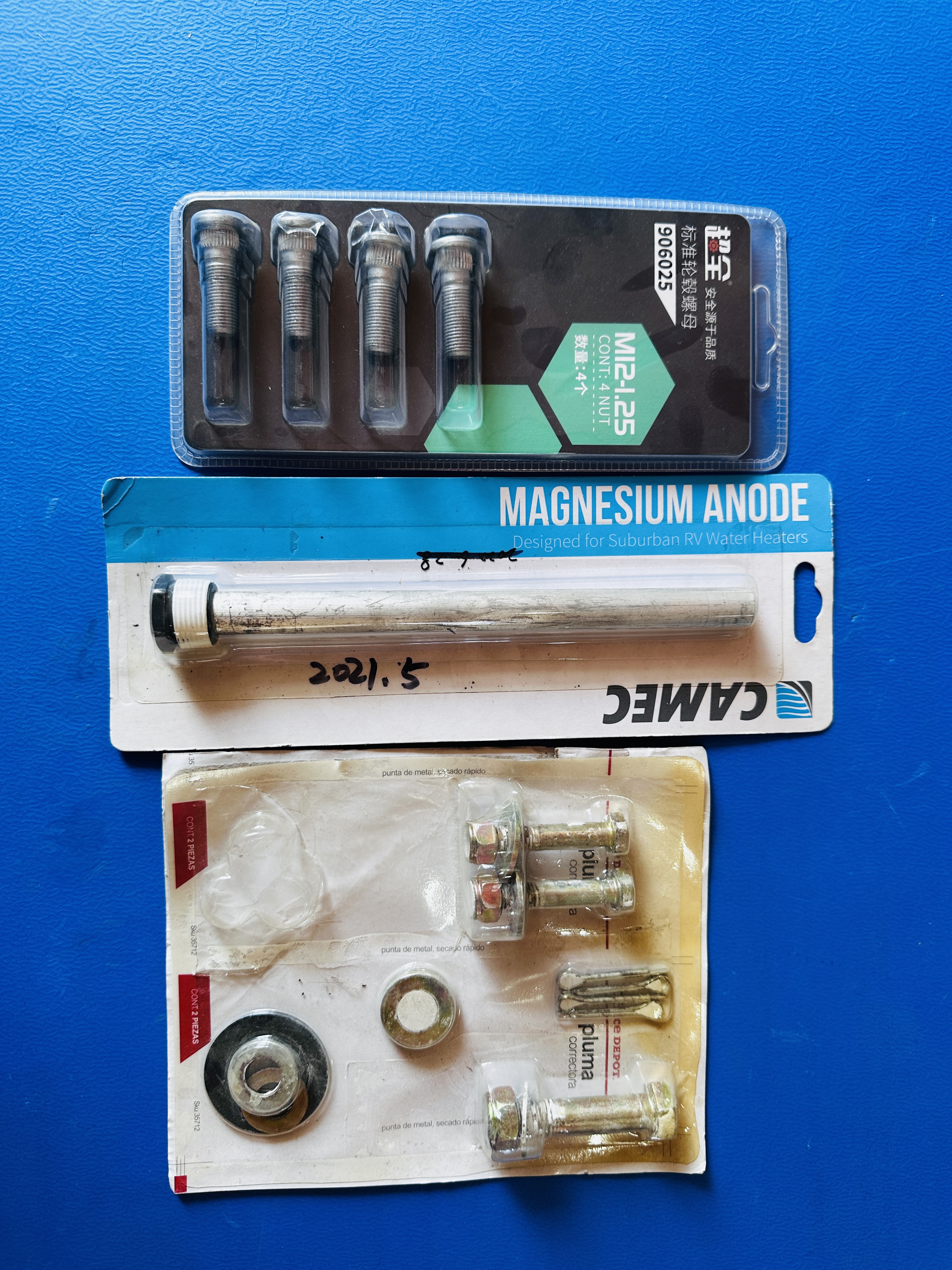
Sometimes, the most efficient way to protect the package involves laminating the primary film itself. Relying solely on secondary paperboard boxes often falls short against severe moisture. Cardboard absorbs humidity from the air. It loses structural integrity quickly.
You have several advanced material alternatives to consider. PVDC-coated PVC represents a highly popular upgrade path. It adds a strong moisture and oxygen barrier to the baseline film. Crucially, it does not require changing your existing thermoforming tooling. You maintain standard production speeds while massively boosting product protection. Applying different coat weights allows you to customize the exact barrier level needed.
Aclar laminates offer exceptional, high-end moisture defense. They often eliminate the strict need for climate-controlled tertiary transit. This operational shift streamlines your global supply chain logistics. Aclar remains highly transparent, preserving retail appeal while blocking moisture.
You must apply strict cost-to-outcome logic during this phase. Compare the direct cost of adding a PVDC coating against upgrading to complex secondary foil pouches. Sometimes a heavy-duty carton redesign costs significantly more than a simple film laminate. Do not pay for expensive barrier laminates if your standard secondary packaging already passes shelf-life tests. Over-specifying materials wastes budget rapidly. Always let accelerated stability data drive your procurement decisions.
Choosing opaque Alu-Alu film when retail visibility remains crucial for sales.
Ignoring the environmental impact of heavily laminated mixed materials.
Failing to test how barrier coatings affect the heat-sealing process.
Assuming thicker primary film automatically provides better moisture barriers.
Ocean freight and air transit introduce severe logistical risks. Retail cartons simply cannot survive these harsh conditions alone. Constant vibration, pallet compression, and rapid humidity shifts threaten your product daily.
Corrugated shippers serve as the ultimate protective solution. You must size these tertiary boxes perfectly. A snug internal fit eliminates hazardous internal movement. This prevents scuffing and disastrous impact damage. When evaluating corrugated shippers, rely heavily on Edge Crush Test (ECT) ratings. Pallet stacking exerts massive vertical pressure directly onto the blister cavities. Standard Mullen burst tests only measure simple puncture resistance. ECT directly measures critical stacking strength. ECT ratings dictate exactly how well your boxes survive crowded, shifting ocean containers.
Dunnage requires incredibly careful consideration. You must strictly avoid rigid void fill materials. Rigid foam blocks transfer shock waves directly to the primary cavities. This kinetic transfer causes fragile PVC domes to crack under stress. Instead, opt for modern vibration-dampening materials. Air pillows and flexible crumpled paper padding absorb kinetic energy effectively. They cradle the secondary cartons safely.
Compliance and security play vital roles in modern global transit. Your corrugated shippers need serialized tamper-evident taping. You should also mount active climate-monitoring indicators onto your pallets. Digital temperature loggers prove the shipment remained within safe thermal thresholds. This historical data protects you from liability if extreme weather degrades the pvc blister packaging during cross-border transit. Following International Safe Transit Association (ISTA) drop-test standards guarantees transit readiness.
Finding the right manufacturing partner determines your long-term packaging success. A highly credible supplier should proactively consult on your entire packaging ecosystem. They should not just push film rolls by the ton. They must understand precisely how their film physically interacts with your secondary cartons.
Assess their machinery expertise early in the discussion. Their film must run cleanly on your specific blister filling machines. Thermoforming lines demand incredibly consistent material behavior. Poor quality film causes severe curling after cooling. It creates frustrating web-tension issues during pulling. These hidden defects inevitably weaken the final lidding seal. Ask the supplier directly about their film's thermal shrinkage rates. Verify their dimensional stability under standard heat profiles.
Trustworthiness also ties deeply into sustainability transitions. Global regulatory shifts force companies to rethink plastics entirely. Evaluate suppliers offering clear, actionable material roadmaps. They should help you transition from standard PVC to recyclable mono-materials smoothly. Crucially, they should manage this transition without forcing you into total machinery overhauls. A good partner provides technical support during these complex switch-overs.
Take decisive next-step actions before signing any annual contracts. Request their formal MVTR data sheets for independent verification. Run extensive tooling compatibility tests on your own production floor. Finally, conduct rigorous transit drop-tests using your proposed secondary cartons. Real-world physical testing reveals hidden vulnerabilities that datasheets often obscure.
Protecting your product is a complex, multi-tiered operation. Standard primary films require the physical armor of robust secondary cartons. They also desperately need the logistical shielding of high-ECT corrugated shippers. Relying on just one single protective layer virtually guarantees eventual failure.
Take time this quarter to audit your current product failure rates. Analyze crushed cavities and trace instances of moisture ingress. Use this hard data to pinpoint your weak links accurately. Determine if your vulnerability lies in the primary film specifications, a weak secondary carton design, or poor tertiary transit protocols. Implement these structural improvements today. You will drastically reduce transit damage and safeguard your brand reputation.
A: High-caliper folding paperboard cartons combined with internal structural dividers offer the best protection. They work exceptionally well for standard consumer and pharma goods. The rigid exoskeleton absorbs external impacts long before they reach the fragile blister cavities.
A: Yes, formed pvc blister packaging for metal is quite common. However, it requires a much higher gauge thickness, typically exceeding 500 microns. You must also use secure secondary backing cards. This prevents the heavy product from puncturing the film from its own weight during drops.
A: Standard paperboard offers negligible moisture protection. It primarily defends against physical impacts. If moisture poses a severe risk, you must coat the primary film itself. Materials like PVDC work perfectly. Alternatively, you can seal the blister card inside a secondary aluminum foil pouch before cartoning.


