
Views: 0 Author: Site Editor Publish Time: 2026-06-09 Origin: Site


Packaging engineers face a daily operational dilemma. You must balance aggressive corporate ESG mandates against strict product protection standards. Regulatory pressures now demand immediate action globally. Extended Producer Responsibility laws hold brands financially accountable for post-consumer waste. Furthermore, consumer demand heavily favors eco-friendly packaging alternatives. Shoppers actively reject traditional PVC plastics and multi-material foils. This rapid market shift creates immense operational friction. How do you replace highly reliable legacy materials securely?
We built this guide to answer exactly this question. It provides a pragmatic framework for evaluating green alternatives. You will learn how to implement sustainable blister packaging effectively across your supply chain. We explore modern material choices, rigorous barrier testing, and complex machinery compatibility. You can achieve aggressive green targets without sacrificing barrier integrity. This transition requires careful planning and proven strategies. Let us explore the actionable steps you can take today.
Transitioning to sustainable blister packaging requires matching material properties (moisture/oxygen barriers) with specific product stability profiles.
Paper-based blisters and mono-material plastics (like PET) are currently the most viable, scalable alternatives to traditional PVC/Alu structures.
"Recyclable" claims must be verified against real-world municipal recycling infrastructure, not just theoretical laboratory degradation.
Global regulations are rapidly reshaping the packaging landscape. The EU Packaging and Packaging Waste Directive severely penalizes non-recyclable materials. Governments now levy heavy taxes on multi-material foils and standard PVC. These regulatory frameworks shift the financial burden directly onto manufacturers. You must adapt to these compliance pressures to protect your profit margins. Regional bans on single-use plastics also accelerate this industry transition. Falling behind on compliance exposes your business to massive operational risks.
Industry growth models show a massive shift in market share. Companies rapidly adopt eco-friendly primary packaging in pharmaceuticals, cosmetics, and consumer goods. Early adopters capture significant consumer loyalty. Modern shoppers read packaging labels carefully. They prefer brands demonstrating genuine environmental responsibility. This consumer behavior directly impacts retail placement and sales volume. Ignoring this shift hands a direct advantage to your competitors. Sustainable materials now represent a core driver of retail growth.
Corporate leaders no longer view eco-friendly materials as a simple marketing tool. They treat them as a core component of risk mitigation. Integrating sustainable materials improves overall supply chain resilience. It protects your brand from volatile fossil fuel pricing. It also aligns your operations with broader corporate ESG goals. Investors closely scrutinize these sustainability metrics. Demonstrating a clear transition plan secures stakeholder confidence. You build a future-proof packaging strategy through proactive ESG integration.
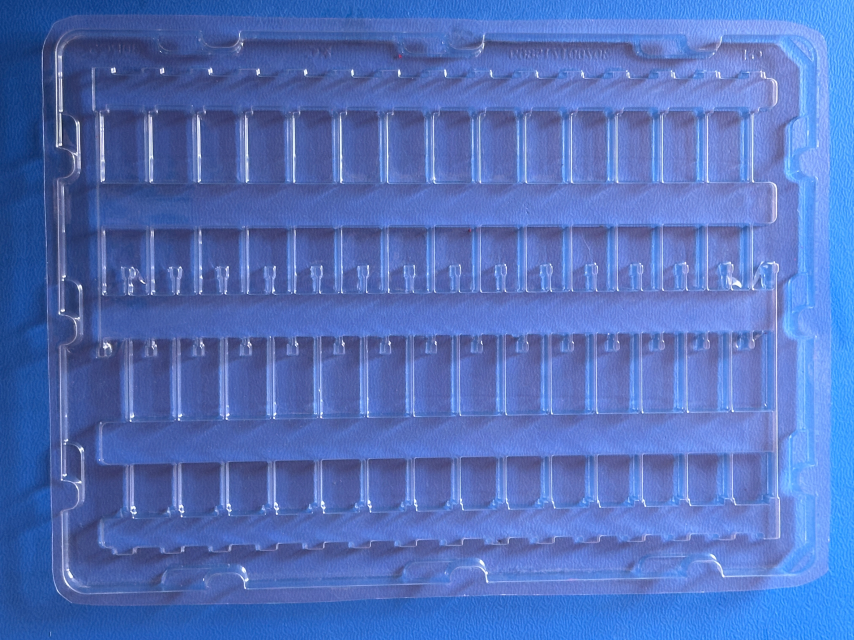
You must scrutinize "green" claims objectively. Every material carries specific operational trade-offs. We break down the primary material categories below. You will learn their mechanisms, benefits, and inherent limitations.
Manufacturers create these structures using molded pulp or high-density paperboard. They combine these fibers with specialized water-based barrier coatings. This approach removes traditional plastic components entirely.
Pros: This material offers incredibly high consumer appeal. Buyers can easily place it into standard curbside recycling bins. It serves as an excellent solution for consumer electronics and low-risk retail goods.
Limitations: Paper naturally provides a lower moisture vapor transmission rate (MVTR) resistance. It struggles against advanced plastics in humid environments. You should generally avoid paper for highly sensitive pharmaceutical applications.
This strategy replaces complex PVC/Alu structures with a single polymer family. You use all-PET or all-PP materials for both the blister cavity and the lidding film. This streamlined sustainable blister packaging approach simplifies end-of-life processing.
Pros: Mono-materials drop directly into existing municipal recycling streams. They maintain the high transparency and rigid protection you expect from traditional plastics. Consumers do not need to separate the lid from the base.
Limitations: These polymers require highly specialized heat-sealing technology. For example, utilizing sustainable blister packaging derived from PP often causes shrinkage. You must tightly control thermoforming temperatures to prevent warping.
Engineers derive materials like PLA (Polylactic Acid) or PHA from renewable plant resources. They aim to replicate the feel of fossil-fuel plastics using organic chemistry.
Pros: Bio-polymers drastically reduce fossil fuel reliance. They align perfectly with strict corporate bio-economy targets and aggressive carbon reduction mandates.
Limitations: You must challenge transparent assumptions here. Biodegradable plastics are highly dependent on industrial composting facilities. They rarely break down in home compost bins or landfills. Furthermore, they often lack the thermal stability required for standard high-speed blister machinery.
Material Category | Barrier Performance | Recycling Infrastructure | Best-Fit Use Case |
|---|---|---|---|
Paper-Based Blisters | Low to Moderate | Excellent (Curbside) | Electronics, Hardware, Toys |
Mono-Material Plastics | High (Excellent MVTR) | Good (Widely Accepted) | OTC Drugs, Cosmetics, Food |
Bio-Based Polymers | Moderate | Poor (Needs Industrial Compost) | Short-shelf-life retail items |
Many decision-makers hesitate when swapping materials. Will this transition compromise my product? You must address this fundamental question through rigorous testing and optimization.
You cannot guess when replacing highly protective foils. You must conduct rigorous stability testing following strict ICH guidelines. This is especially true for pharmaceutical products. Alternative materials must prove their worth in standardized oxygen and moisture barrier tests. Laboratories place packages in controlled environmental chambers. They measure the exact transmission rates over several months. You only proceed when the new material matches the legacy baseline.
Introducing new eco-friendly coatings introduces new chemical variables. You must aggressively evaluate the risk of chemical leaching. Adhesives used in paper blisters can migrate into the primary product. Water-based barrier coatings might interact with active pharmaceutical ingredients. Conducting comprehensive extractables and leachables (E&L) studies mitigates this risk. You protect consumer health and prevent costly product recalls through diligent interaction testing.
Sustainability does not always require entirely new materials. You can improve metrics by right-sizing the blister cavity itself. Reducing the physical footprint minimizes waste instantly. Furthermore, you can reduce the material gauge thickness safely. Downgauging traditional sustainable blister packaging structures serves as an excellent first step. It requires minimal machinery changes. You reduce your environmental impact while maintaining the baseline material familiar to your operators.
The industry is rapidly shifting away from complex foil lidding. Manufacturers now deploy advanced metallized films and functional polymer coatings. These microscopic layers offer incredibly high barriers against oxygen and moisture. Importantly, they remain technically recyclable within modern municipal systems. This innovation bridges the gap between strict product protection and environmental compliance.
Brands now use digital tools to solve physical recycling challenges. Companies print QR codes or embed NFC tags directly onto blister packs. Consumers scan these codes with their smartphones. The digital interface guides them on proper local disposal methods. It dynamically updates based on the user's geographic location. This connected approach dramatically improves real-world material recovery rates.
Modern sustainability goes beyond a simple carbon footprint. Leading brands evaluate the holistic impact of their packaging choices. They measure water usage during raw material extraction. They analyze the energy consumed during the thermoforming process. They also calculate true end-of-life recovery rates in specific markets. This comprehensive LCA approach prevents unintended environmental consequences.
Procurement and engineering teams need a clear, actionable framework. Follow these precise steps to transition your operations smoothly without disrupting production quotas.
Step 1: Application Auditing. You must categorize your entire product portfolio by barrier sensitivity. Identify low-risk SKUs immediately. Hardware or durable consumer goods can transition to paper or mono-materials today. Flag highly sensitive products for long-term research and development.
Step 2: Machinery Compatibility Assessment. Evaluate your existing thermoforming and cold-forming lines carefully. Determine if they require physical retooling. You may need to adjust heating plates to accommodate PET. You might need entirely new cutting dies for molded pulp. Recalibrating dwell times prevents new materials from warping or sealing improperly.
Step 3: Pilot Testing and Vendor Vetting. Establish strict criteria for shortlisting new material suppliers. Demand comprehensive third-party LCA data before signing contracts. Check for material certifications rigorously. Require FSC certification for paper-based materials. Demand ISCC Plus certification for circular and advanced recycled plastics.
Step 4: Phased Rollout. Never transition your entire facility at once. Implement a phased strategy for running parallel lines. Keep your legacy PVC line running while testing the new mono-material line. This parallel approach mitigates operational risk. It allows your floor operators to learn new heating parameters safely.
Adopting eco-friendly blister formats requires a highly strategic balance. You must harmonize material science, machinery capability, and strict compliance standards. The industry offers viable alternatives to legacy foils and PVC, but success depends on rigorous testing. We recommend starting your transition with a comprehensive packaging audit. Request material samples and prototype rolls from certified suppliers. Run these prototypes on your lowest-risk product lines to test machine runability. You can build a resilient, compliant, and highly successful sustainable packaging operation by taking calculated, data-driven steps today.
A: Base materials typically carry a premium of 10 to 30 percent. However, overall financial impacts often balance out. You must factor in reduced Extended Producer Responsibility (EPR) taxes. Downgauging also lowers raw material volume. Furthermore, adopting eco-friendly materials heavily improves brand positioning. This drives consumer loyalty and competitive retail advantages.
A: For primary packaging of highly sensitive prescription drugs, paper alone remains insufficient. It lacks the intense moisture resistance needed. However, advanced paper structures featuring ultra-thin, recyclable barrier coatings are emerging rapidly. These hybrids work exceptionally well for over-the-counter (OTC) medications and less sensitive nutraceutical products.
A: Not necessarily. Mono-materials like PET often run smoothly on existing lines. Operators simply make minor adjustments to heating plates and seal dwell times. However, shifting to thick paper-based thermoforming usually requires retrofitting. You may need specific tooling upgrades and entirely new cutting dies to handle fibrous materials.
A: Recyclable means standard municipal systems process the material back into raw resources. PET is an excellent example of a highly recyclable material. Biodegradable means the material breaks down naturally. However, in commercial packaging, biodegradable plastics almost always require specific, high-heat industrial composting facilities. This makes actual real-world recovery incredibly challenging.


