
Views: 0 Author: Site Editor Publish Time: 2026-06-17 Origin: Site


Brands face an ongoing battle against high product return rates. Compromised retail presentation severely degrades overall brand perception in competitive markets. Transit damage eats directly into profit margins before your merchandise ever reaches the shelf. Poor packaging structurally fails to protect goods during complex global shipping routes. It also leaves items completely vulnerable to retail theft and harsh environmental elements. Upgrading your structural approach solves these critical supply chain issues effectively. We position this packaging format as a strategic structural solution rather than a simple commodity. It effectively mitigates supply chain risks while maintaining high visual transparency for shoppers. You will learn exactly how this packaging functions under intense physical stress. We explore when it makes sound commercial sense for your specific product lines. You will also discover how to evaluate different plastic materials to maximize durability and compliance. This guide offers an objective, evidence-based look at improving your packaging strategy today.
Dual-Function Efficacy: Blister packaging simultaneously immobilizes products to absorb transit shock and provides a transparent, tamper-evident retail display.
Material Specificity is Critical: The choice between PET, PP, PS, and PVC directly impacts durability, production cost, and environmental compliance.
Measurable ROI: Upfront tooling costs for custom cavities are typically offset by reductions in product shrinkage, transit damage, and retail theft.
Product replacement creates immense financial strain on modern supply chains. Reverse logistics drain operational budgets surprisingly quickly. When customers return broken goods, warehouse labor costs skyrocket. Crushed standard packaging results in lost retail space efficiency. Brands lose consumer trust instantly when goods appear damaged or tampered with on store shelves. Traditional cardboard boxes often collapse entirely under heavy pallet weights during warehousing.
Internal shifting causes severe friction damage during long transit routes. Delicate items rub against abrasive paper fibers constantly. Moisture exposure weakens paper-based materials significantly during seasonal changes. These frequent failures directly reduce your bottom line. Standard boxes simply cannot isolate sensitive goods effectively. When products shift inside oversized boxes, fragile corners break off easily. This necessitates immediate replacement and incurs costly return shipping fees. Retailers frequently reject entire pallets if the outer display boxes look crushed upon arrival.
A viable packaging upgrade must meet strict operational demands. It should eliminate secondary unboxing steps for busy retail workers. Shelf readiness remains paramount for major big-box stores. Store managers prefer products ready to hang immediately upon arrival from the distribution center. We use specific benchmarks to evaluate structural success effectively.
Isolate the product entirely from external compression forces during multi-leg transit.
Deter retail theft through tough, tamper-evident sealed edges.
Ensure immediate shelf placement without additional unpacking labor.
Meeting these criteria stops hidden revenue leaks entirely. It also improves retailer relationships across your whole distribution network. You need structural integrity right from the initial factory floor. Implementing a robust physical solution preserves your brand reputation flawlessly.
Engineers design blister packaging to eliminate internal movement completely. Thermoformed cavities perfectly mirror exact product dimensions. This extreme precision prevents any internal shifting during turbulent shipping. Friction causes deep surface scratches on fragile items like cosmetics or electronics. Custom cavities hold every single component snugly in its designated place. It acts as a tailored exoskeleton for your merchandise.
Shock absorption plays a critical role in preventing breakage. Rigid plastic flanges distribute load pressures highly effectively. They absorb sudden impact shocks before the force ever reaches the product inside. These flanges act as engineered crush zones. Strong backing cards provide a sturdy structural spine for the entire unit. External pressure deflects smoothly away from the central item. This smart load distribution prevents crushing under heavy pallet stacks during extended storage.
Environmental barriers represent another major protective advantage. The sealed environment blocks out harmful ambient elements completely. Sensitive electronics require strict dust protection to function correctly. Pharmaceuticals degrade very quickly upon unexpected moisture exposure. A proper heat seal creates a highly localized micro-climate. It isolates your goods from rapid humidity fluctuations common in unconditioned ocean freight containers.
You protect vulnerable components from harsh warehouse conditions effortlessly. This barrier function ensures products arrive in absolutely pristine condition. Here are a few practical best practices for maximizing transit protection:
Match the cavity depth exactly to the thickest part of your product.
Include specialized reinforcement ribs in the plastic design for heavier items.
Test the final package using standard drop-test protocols before initiating mass production.
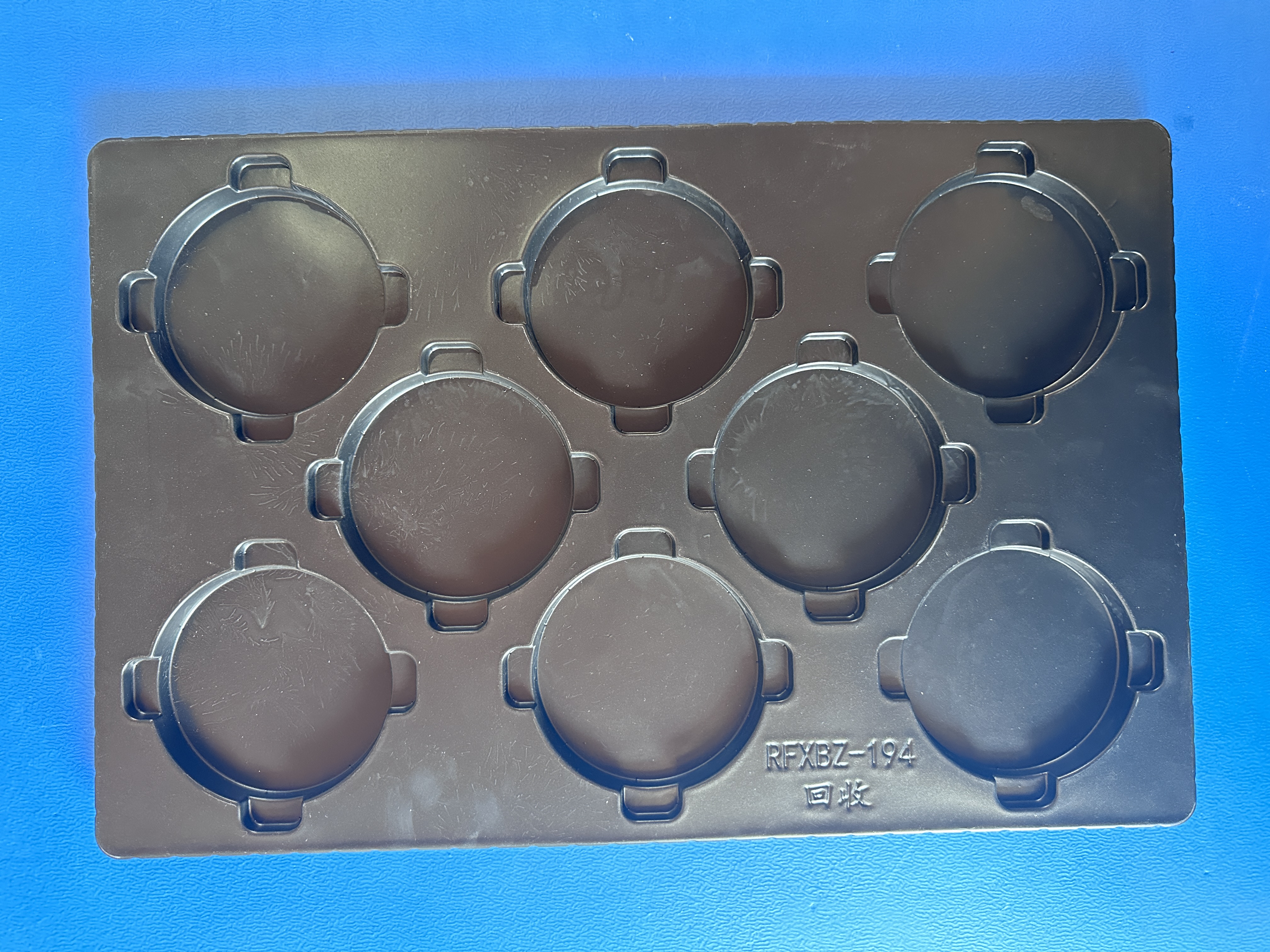
Retailers face constant battles against costly inventory shrinkage. Tough plastic shields prevent in-store tampering highly successfully. Heat-sealed edges stop opportunistic pilferage without demanding locked display cabinets. Locked cases reduce impulse purchases significantly by frustrating casual shoppers. Clear plastic packs keep high-value products safe while remaining fully accessible. You deter theft effectively while keeping items right on the main shopping aisles where conversion happens fastest.
High-fidelity presentation drives much better conversion rates. Consumers naturally want to inspect physical products visually before committing to a purchase. They frequently distrust opaque boxes hiding the actual item inside. Transparent plastic allows full visual inspection safely and clearly. It completely removes the risk of contamination from constant customer handling. Shoppers feel highly confident seeing exact colors, material finishes, and textures firsthand. This psychological comfort directly boosts overall retail sales volume.
Display versatility streamlines store planograms highly efficiently. Manufacturers integrate peg-holes directly into the top plastic flanges during the die-cutting process. These built-in hang tags allow easy placement on standard retail hooks. Standardized facing creates highly predictable and neat shelf arrangements. Retail staff restock depleted inventory much faster when packaging sizes remain uniform. Uniform package sizes maximize valuable and limited retail shelf space.
Common mistakes to avoid in retail presentation include:
Designing the backing card too large, which wastes valuable pegboard space.
Placing vital product information or barcodes too close to the heat-seal zone.
Using highly reflective plastics that create harsh glare under intense store lighting.
You provide retailers a highly efficient display solution by actively avoiding these structural errors.
Choosing the correct plastic polymer absolutely dictates your packaging success. Different materials offer highly unique benefits and specific operational drawbacks. You must carefully match the material to your specific application and local regulations. Production methods vary significantly depending on your exact polymer choice.
PET Blister Packaging (Polyethylene Terephthalate) offers exceptionally high visual clarity. It demonstrates excellent toughness and superior impact resistance. We consistently see it as the default choice for modern retail environments. It meets strict environmental compliance standards globally. Recyclability makes it highly attractive to eco-conscious brands. Many major consumer goods companies demand this polymer exclusively to meet corporate sustainability goals.
PVC Blister Packaging (Polyvinyl Chloride) provides legacy structural durability. It remains highly cost-effective for extremely large production runs. It boasts excellent thermoforming properties for drawing complex physical shapes. However, many global markets restrict its use heavily now. Strict environmental regulations phase it out rapidly for everyday consumer goods. It works best for non-consumer industrial transit applications today where local laws permit its use.
PP Blister Packaging (Polypropylene) excels at blocking moisture completely. It offers outstanding chemical resistance properties against harsh solvents. Medical devices and liquid-adjacent products rely on it heavily for maximum safety. It features notably lower transparency compared to highly clear PET alternatives. You will need highly specific heat-sealing technologies and higher processing temperatures to seal it correctly.
PS Blister Packaging (Polystyrene) forms highly rigid structures very cheaply. It serves exceptionally well as internal transit dunnage. We use it mostly for low-cost carrier trays handling multiple machined parts. It feels slightly brittle compared to tougher plastic alternatives. Manufacturers typically hide it inside secondary cardboard packaging. It rarely serves as the primary retail face due to its general aesthetic limitations.
Here is a comprehensive comparison chart to clarify your material selection process:
Material Type | Primary Strength & Attribute | Best Industry Application | Key Evaluation Note |
|---|---|---|---|
PET | Maximum clarity & impact toughness | Modern consumer retail displays | Highly recyclable; often the default retail standard |
PVC | Cost-effective & easily formable | Industrial multi-part transit | Facing strict environmental phase-outs globally |
PP | Moisture & chemical barrier | Medical instruments and liquids | Lower transparency; demands higher sealing heat |
PS | High rigidity & low raw cost | Internal dunnage tray inserts | Brittle nature; best hidden inside secondary boxes |
Upfront capital remains necessary for custom thermoformed designs. CNC-machined aluminum molds require initial financial investment. You must outline volume thresholds carefully to justify this expense. Custom thermoforming becomes highly efficient at larger production scales. Prototyping allows you to test structural integrity very early in the timeline. You ensure proper physical fit before mass manufacturing actually begins. This proactive testing prevents costly re-tooling later.
Supply chain integration involves multiple critical timeline steps. The process moves from initial CAD design directly to physical prototypes. Drop-testing validates the protection level rigorously against real-world forces. Final mass production follows successful and approved testing phases. You must plan your supply lead times accordingly. Rushing the initial design phase frequently causes expensive manufacturing errors down the line. Tight tolerances demand patience during engineering.
Seal integrity failures pose significant quality risks to your product. Weak backing card adhesion completely ruins the protective barrier. This usually occurs due to incorrect chemical coating applications on the paperboard. Incompatible heat-seal parameters also cause severe delamination issues. You must actively mitigate these risks during strict quality assurance checks at the factory level.
To guarantee strong seal integrity, you should follow these essential steps:
Calibrate all heat-sealing machinery to exact material temperature specifications daily.
Verify chemical coating compatibility between plastic flanges and printed paperboard.
Conduct regular destructive peel tests during active mass production runs.
Monitor factory floor humidity levels to ensure optimal adhesive curing times.
Navigating sustainability trade-offs requires careful strategic planning today. Consumers push back against single-use plastics frequently and loudly. You can evaluate post-consumer recycled (PCR) options easily to improve public perception. Recycled polymers offer remarkably similar protective qualities to virgin plastics. Easily separable backing cards help consumers recycle diverse components properly. Clear labeling guides end-users directly on correct local disposal methods, improving your brand's environmental footprint.
Our final verdict relies on simple structural logic. Rigid plastic containment solves major supply chain vulnerabilities effectively. It becomes the optimal choice for high-value or highly fragile merchandise. It works perfectly when transit damage costs outpace your initial tooling investments. It also halts retail theft efficiently without hiding the actual product from eager buyers.
We highly recommend starting with a thorough structural audit immediately. Review your current transit damage rates across all active logistics channels. Request a physical prototype using recyclable materials for initial drop-testing. This reveals exactly how custom cavities protect your specific items in real time. It uncovers structural weaknesses before you commit to large orders.
Consult directly with a professional packaging engineer today. Discuss specific tooling requirements for your unique product dimensions. Request physical material samples to evaluate transparency and rigidity firsthand. Take decisive action now to secure your products and dramatically improve your retail presentation.
A: Corrugated cardboard usually has lower initial setup fees. Custom thermoformed plastics require upfront mold investments. However, at larger production scales, the per-unit cost drops significantly. You must factor in the immense savings from reduced transit damage and lower retail theft. These operational savings frequently make custom plastics more economical overall for high-volume consumer goods.
A: Yes. Manufacturers can apply specialized anti-static chemical coatings to the exterior surface. They can also use inherently dissipative polymers during the initial thermoforming process. This completely prevents harmful static buildup. It ensures sensitive microchips and delicate electronic components remain safe from unexpected electrostatic discharge during rugged shipping and regular handling.
A: Custom mold setups usually require MOQs in the thousands. This volume justifies the CNC-machined aluminum tooling expenses involved. Typical industry benchmarks start around 10,000 units. For low-volume testing, smaller brands can utilize pre-made stock options. Stock designs require absolutely no tooling fees and allow quick market testing before committing to expensive custom molds.


