
Views: 0 Author: Site Editor Publish Time: 2026-06-09 Origin: Site


Hardware products present a unique merchandising challenge for global retail brands. Ranging from heavy steel wrenches to loose brass fasteners, they require incredibly robust outer shells. These protective materials must survive harsh international transit routes without bending, cracking, or breaking.
Choosing the wrong format leads directly to severe business consequences. Subpar packaging causes high retail shrinkage due to store pilferage in busy aisles. Furthermore, weak environmental barriers compromise product integrity by allowing moisture to cause rust. Inefficient, bulky designs also inflate your shipping weights and logistics expenses.
This guide provides procurement and product managers a reliable evaluation framework. We will help you select and source optimal formats. You will learn to balance shelf security, high product visibility, and manufacturing scalability effectively. By matching the right polymers and sealing methods to your specific inventory, you can optimize both protection and shelf appeal.
Hardware blister packaging reduces retail shrinkage through tamper-evident seals while maximizing pegboard density.
Material selection (PET, PVC, RPET) dictates both the puncture resistance required for sharp tools and brand compliance with sustainability mandates.
Total packaging costs must account for upfront vacuum-forming tooling, automation compatibility, and sealing methods (heat vs. cold seal).
The optimal design balances rigorous anti-theft properties with an acceptable out-of-box customer experience to avoid "wrap rage."
Retail shrinkage destroys operating profit margins. Big-box hardware stores face immense shoplifting pressures daily. Small components disappear easily into pockets. Fasteners and precision drill bits remain prime targets for casual theft. Robust plastics directly combat retail pilferage. Strong seals deter casual thieves immediately. Tamper-evident flanges require scissors or knives to breach. Thieves avoid products requiring significant physical effort. They prefer easy targets.
Visual merchandising heavily drives retail hardware sales. Professional contractors demand visual proof before purchasing tools. They want to inspect screw threads closely. They need to verify saw blade teeth. Full 360-degree visibility builds deep buyer trust. Shoppers inspect precision items thoroughly. They do not need to unbox anything on the floor. Clear plastics act as miniature display cases. This visual clarity accelerates purchase decisions significantly.
Environmental damage ruins unprotected metal easily. Hardware often ships across humid ocean freight routes. Susceptible metal components face severe moisture risks. Oxidation destroys unplated steel rapidly. High-quality barrier properties block ambient humidity completely. Precision tools also suffer friction damage during long transits. Constant vibrations dull sharp edges rapidly. Custom formed cavities lock items firmly into place. This structural stabilization prevents parts from rubbing against each other.
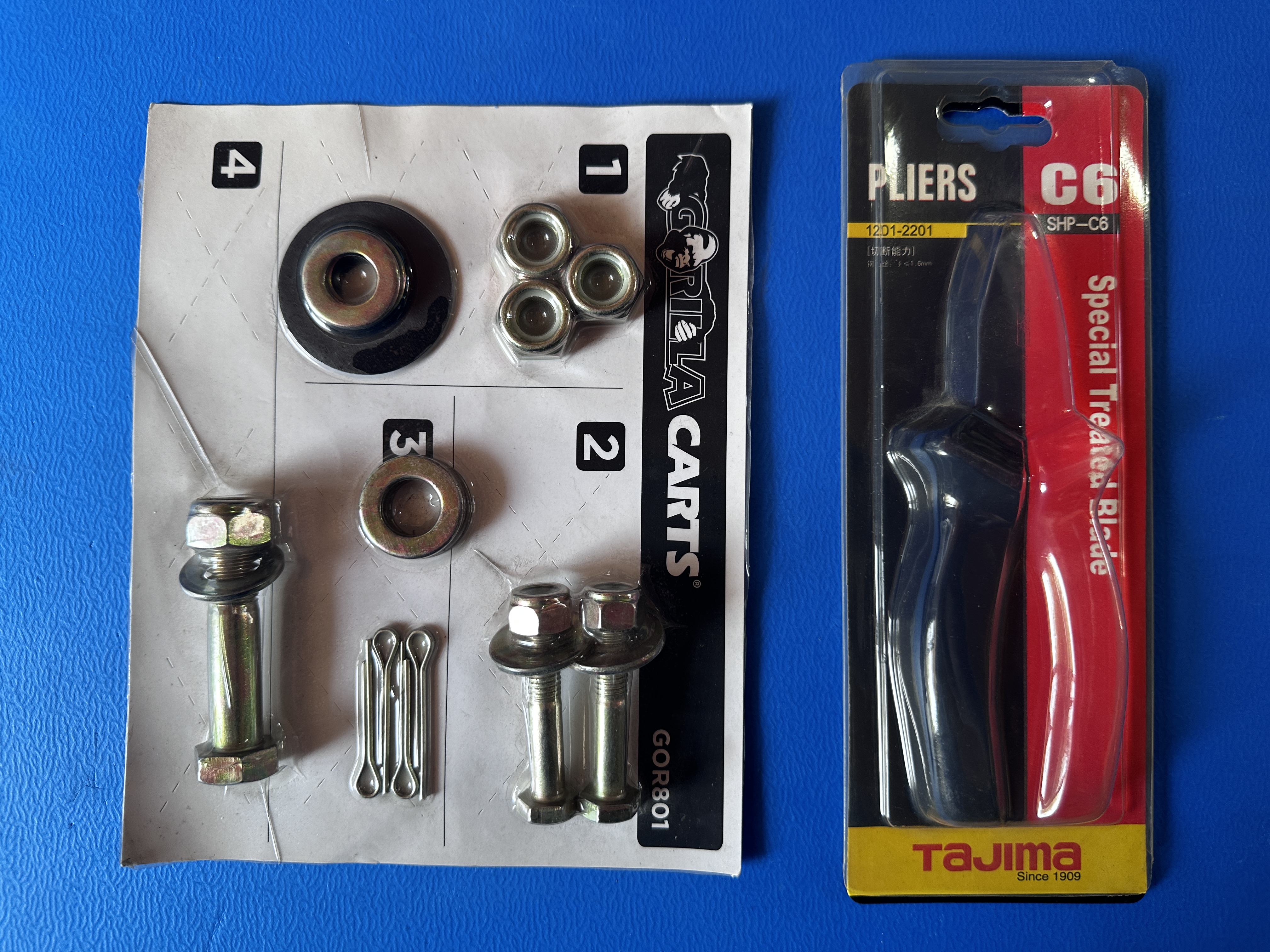
Face seal formats handle small parts perfectly. The manufacturer fuses a plastic flange directly onto a backing card. This style suits lightweight items beautifully. High-volume products like screws, nails, and washers utilize this method. The assembly process moves quickly on automated factory lines. Face sealing keeps overall packaging material usage relatively low.
Trapped blisters excel at heavy brand messaging. Operators capture the plastic shell between two separate layers of cardstock. This dual-card structure provides a surprisingly strong hold. Medium-weight hand tools benefit greatly from this reinforcement. Eco-conscious brands also favor trapped designs heavily. The format minimizes overall plastic usage significantly. Cardboard makes up the bulk of the structural footprint.
Clamshells and tri-fold designs protect high-value assets. These hinged structures enclose the product entirely in plastic. Tri-folds offer incredible structural rigidity for heavy items. Heavy hammers and large socket sets require this robust armor. They also provide excellent self-standing capabilities. You can place them directly on standard retail shelves.
To choose correctly, rely on strict shortlisting logic:
Assess the exact physical weight of your product.
Review the target retail price point.
Determine the expected store merchandising layout.
Decide between standard peg hook hanging or freestanding shelf displays.
Applying this logic ensures you deploy appropriate hardware blister packaging efficiently.
Choosing the right plastic dictates durability and compliance. You must match the polymer chemistry to your specific tool.
PET and PETG provide excellent physical strength. They offer incredible optical clarity for retail displays. Manufacturers consider them the industry standard for housing sharp hardware. They resist puncturing from sharp utility blades easily.
PVC remains cost-effective and highly formable. It molds around complex tool geometries effortlessly. However, regulatory bodies increasingly restrict PVC usage globally. Environmental compliance regulations target its chemical composition heavily. Brands must phase out PVC to meet modern sustainability mandates.
RPET uses recycled polyethylene terephthalate. It serves as the emerging standard for ESG-compliant brands. You achieve strict sustainability goals without sacrificing puncture resistance. RPET performs almost identically to virgin PET.
Material Type | Clarity & Visibility | Puncture Resistance | Eco-Compliance | Best Hardware Application |
|---|---|---|---|---|
PET / PETG | Excellent | High | Moderate | Sharp tools, saw blades, drill bits |
PVC | Good | Moderate | Low (Highly Restricted) | Legacy low-cost fasteners |
RPET | Very Good | High | Excellent | Sustainable consumer tool brands |
Backing card specifications require rigorous evaluation. You must check the board caliper carefully. Thicker boards resist tearing when holding heavier hand tools. Required coatings ensure a secure bond during the heat sealing process. Poor coatings cause plastic flanges to peel away prematurely.
Vacuum forming realities dictate your final design geometry. The thermoforming process applies heat to flat plastic sheets. Suction pulls the softened material over custom CNC molds. This process accommodates highly complex geometries easily. You can design custom cavities for multi-tool sets. Each unique bit receives a dedicated holding slot.
Maximizing retail security often creates severe consumer frustration. We call this the "wrap rage" dilemma. RF sealing and ultrasonic welding bond plastics permanently. These methods stop in-store theft almost entirely. However, they ensure the end-user cannot safely open the product. Consumers often use kitchen scissors or utility knives to breach the shell. This friction point causes frequent hand injuries and negative brand perception.
You must balance security against the out-of-box experience. Introduce perforated cardboard backings as a smart compromise. Add targeted tear-notches along the flange edges. These features guide consumers toward safe opening paths.
Sealing line operations dictate your factory throughput speed. Choose your bonding method carefully:
Heat Sealing: This requires specialized tooling and heated platen presses. It offers the highest level of security available. Unfortunately, it slows down manual packing lines significantly.
Cold Sealing: This uses aggressive pressure-sensitive adhesives. It speeds up fulfillment and requires zero heat tooling. However, it may lack the tamper-proof rigidity required for high-value tools.
Risk mitigation prevents costly downstream failures. We strongly advise conducting rigorous drop tests. Perform these trials before finalizing your full-scale production runs. Execute peel-strength tests to verify adhesive bonds. Catching weak seals early saves entire shipping containers from rejection. Proper hardware blister packaging relies entirely on these pre-production validations.
Scaling production requires analyzing upfront custom tooling costs. Custom CNC molds demand significant initial capital. Aluminum molds provide durable vacuum forming for high-volume runs. You must compare this capital expense against utilizing stock cavities. Standard items like hex key sets can often use pre-existing molds. Stock options eliminate tooling fees entirely.
Minimum order quantities dictate your unit economics. Volume pricing heavily influences your final profitability margins. Low-volume SKUs rarely justify custom thermoforming investments. Factories need large runs to offset machine setup times. Consolidate your tool sizes to share common blister dimensions whenever possible.
Freight and storage inefficiencies drain operational budgets rapidly. The "shipping air" problem plagues poorly designed blister shapes. Empty plastic shells consume massive amounts of warehouse space. You must evaluate nesting capabilities during the design phase. Deep drafts allow empty blisters to stack tightly inside each other. Proper nesting reduces your pallet footprints drastically.
Establish clear criteria for auditing a new packaging partner. Ask them for physical prototype samples early. Verify their in-house tooling and CNC machining capabilities. Check their environmental compliance certifications thoroughly. Reliable partners control the entire manufacturing lifecycle.
Successful retail execution aligns several competing factors perfectly. Your chosen design must support the physical product weight. It must meet strict retail security demands to prevent theft. Furthermore, it must match your factory-level assembly capabilities. Ignoring any of these pillars leads to costly market failures.
We advise procurement teams to prioritize extensive material testing. Run multiple sealing trials under real factory conditions. Do not award contracts based purely on unit-cost bidding. Cheaper adhesives often lead to downstream retail rejections. Protect your margins by engineering the package correctly from day one.
A: We highly recommend PET or PETG for heavy tools. These plastics deliver exceptional puncture resistance. They maintain structural rigidity even under extreme weight. They also offer high clarity for pegboard retail displays.
A: Trapped designs capture the plastic shell between two layers of cardboard. Face seals fuse the plastic directly to a single card. The dual-card construction offers greater holding strength. It also significantly reduces overall plastic usage for better brand sustainability.
A: Yes, custom CNC aluminum molds are highly cost-prohibitive for low-volume SKUs. The upfront engineering fees destroy small-batch profit margins. We suggest utilizing stock cavities and standard molds for small production runs to preserve your budgets.
A: Absolutely. Quality plastics provide an excellent moisture barrier. They block ambient humidity effectively. For extremely sensitive steel, you can add small desiccants inside the cavity. Applying anti-corrosive coatings to the backing card also prevents oxidation.


