
Views: 0 Author: Site Editor Publish Time: 2026-06-09 Origin: Site


Consumer electronics demand flawless presentation alongside absolute physical security. You cannot afford to compromise on either when sensitive components hit busy retail shelves. Balancing high-visibility display against rigorous electrostatic and physical protection poses a significant daily challenge. Brands must move beyond basic packaging types. You need to evaluate complex material specifications, strict compliance standards, and fulfillment scalability. A flawed packaging choice quickly leads to increased return rates and damaged brand reputation. We will explore how effective electronic blister packaging minimizes transit damage rates and successfully deters retail theft. Effective solutions maintain component integrity without unnecessarily inflating your upfront tooling costs. You will learn key structural differences and critical technical compliance requirements. By the end, you will understand actionable strategies for evaluating and shortlisting the right manufacturing partner.
Dual-Functionality: Electronic blister packaging serves as both a tamper-evident retail display and a specialized protective barrier against impact and moisture.
Technical Compliance: Sourcing must prioritize materials with appropriate ESD (Electrostatic Discharge) ratings and verifiable impact resistance.
Cost vs. Customization: The choice between standardized and custom thermoforming directly impacts tooling costs, minimum order quantities (MOQs), and speed-to-market.
Vendor Evaluation: Shortlisting should rely on a partner’s prototyping capabilities, testing certifications, and material supply chain transparency.
Retail environments present severe risks for valuable tech accessories. Brands face dual threats from in-store theft and careless handling. High-shrinkage items require robust defense mechanisms. Heavy-gauge thermoformed plastics successfully deter retail shrinkage, commonly known as pilferage. Manufacturers often use RF-sealed edges to fuse plastic layers together. This process makes manual opening nearly impossible. Consumers must use scissors or shears to access the device. The rigid outer shell provides excellent security while maintaining complete product visibility.
Transit damage reduction represents another crucial business lever. Impact resistance is not just a secondary feature. It directly influences your bottom line. Dropped pallets and rough courier handling destroy fragile components easily. High-quality electronic blister packaging absorbs kinetic energy before it reaches the circuit board. This shock-buffering capability significantly reduces return rates (RMA) and expensive warranty claims. Protecting the asset during the crucial last-mile delivery phase preserves your profit margins.
Visual merchandising plays a massive role in physical retail conversion rates. Opaque corrugated boxes hide the product. They force consumers to rely entirely on printed graphics. Transparent thermoformed packaging leverages a powerful psychological impact. Shoppers want to inspect the build quality, port configurations, and material finish of electronic devices. Seeing the physical item builds immediate trust. It accelerates the purchasing decision far better than a closed cardboard box ever could.
Best Practice: Use customized cavity contours to lock the device in place, maximizing visual appeal and minimizing internal rattling.
Common Mistake: Over-packaging low-value cables in thick, RF-sealed clamshells frustrates consumers and wastes material budget.
Selecting the correct architectural format dictates both protection levels and assembly line efficiency. Electronics brands typically choose between three dominant structural categories. Each serves a distinct market segment and price point.
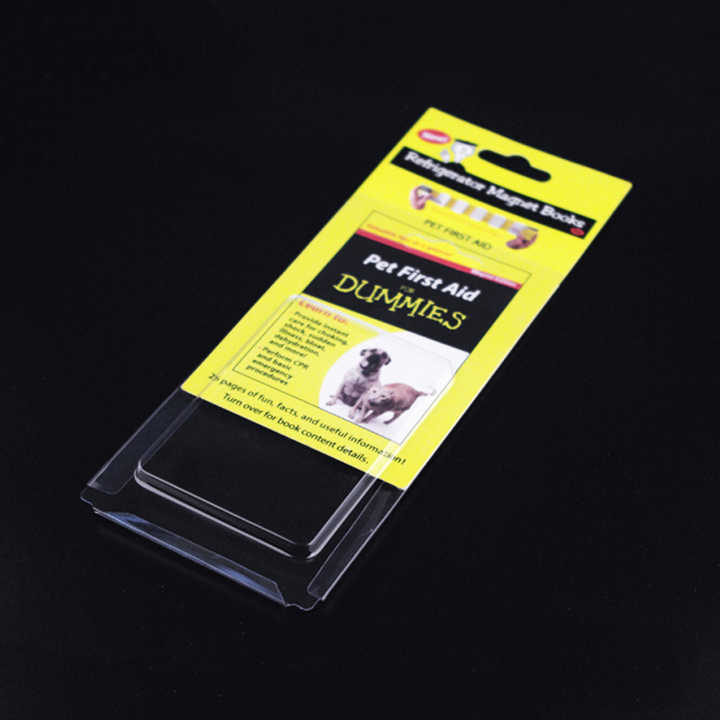
This structure features a thermoformed plastic cavity heat-sealed directly onto a printed cardboard backing. The backing card contains a specialized heat-activated adhesive. During fulfillment, heated platens press the plastic flange against the card. It bonds the two materials permanently.
Face seal configurations work best for lightweight, lower-cost consumer electronics. Typical applications include charging cables, basic earphones, and USB flash drives. They offer excellent graphics space on the rear card.
However, you must consider their limitations. They provide lower structural rigidity overall. The exposed cardboard backing remains highly susceptible to moisture and humidity. A wet environment can warp the card and weaken the seal.
Trapped blisters sandwich the plastic cavity between two layers of die-cut board. The board folds over and seals to itself, effectively trapping the plastic flange inside. The plastic never adheres directly to the board through heat sealing.
This structure strongly appeals to eco-conscious brands. Consumers can easily separate the plastic from the paperboard for curbside recycling. It also works beautifully for heavier components requiring reinforced hanging strength. The double-thick board prevents the retail peg-hole from tearing under heavy loads.
Clamshells consist of a one-piece hinged plastic enclosure. Manufacturers fold the two halves together to encapsulate the product completely. Fulfillment centers typically secure them using sonic welding, RF sealing, or integrated friction-fit button snaps.
You should specify clamshells for high-value electronics like portable hard drives, smart home hubs, and premium peripherals. They deliver 360-degree impact buffering. Welded clamshells offer maximum tamper resistance in high-risk retail aisles.
Structure Type | Security Level | Primary Material Makeup | Ideal Electronic Application |
|---|---|---|---|
Face Seal Blister | Low to Medium | Plastic + Single Cardboard | Cables, Flash Drives, Adapters |
Trapped Blister | Medium | Plastic + Double Cardboard | Heavy Peripherals, Eco-friendly Tech |
Thermoformed Clamshell | High (if welded) | 100% Rigid Plastic | Hard Drives, Premium Audio, Sensors |
Protecting electronics goes far beyond basic impact resistance. Invisible threats like static electricity and microscopic moisture pose severe risks to delicate circuitry. You must mandate strict technical specifications during the sourcing phase.
Static electricity destroys microprocessors instantly. You must differentiate between temporary and permanent ESD solutions. Anti-static materials usually feature a topical surface coating. This coating attracts ambient moisture to dissipate static charges. However, topical coatings wear off over time. They also fail in extremely dry environments.
Static-dissipative and conductive plastics offer embedded, permanent protection. Manufacturers compound carbon or proprietary additives directly into the plastic resin. This permanent molecular structure never degrades. ESD compliance becomes absolutely mandatory when packaging bare printed circuit boards (PCBs), exposed microchips, or high-density memory modules.
Moisture ruins solder joints and corrodes internal batteries. You must evaluate Moisture Vapor Transmission Rates (MVTR) when selecting plastics. MVTR measures how much water vapor passes through a specific material area over 24 hours.
Standard PET (Polyethylene Terephthalate) offers decent barrier properties for everyday electronics. However, highly corrosion-sensitive components demand high-barrier plastics. Specialized PETG or specific PVC variants drastically lower the MVTR. They block humidity effectively during long oceanic freight journeys.
Impact protection requires rigorous validation. Do not rely on visual inspections alone. You should utilize standardized transit testing frameworks to guarantee survivability.
ISTA 2A: Tests basic environmental hazards and standard drop conditions for packaged products under 150 lbs.
ISTA 3A: Simulates advanced parcel delivery system conditions, including random vibrations and rotational drops.
ASTM D4169: Provides a uniform basis for evaluating the ability of shipping units to withstand distribution environments.
Custom cavity tolerances play the biggest role in passing these drop tests. The plastic mold must perfectly hug the device contours. Preventing internal component shifting stops the device from acting as a battering ram against its own outer shell.
Moving from a digital design to mass production introduces complex logistical hurdles. You must balance upfront capital expenditure against long-term fulfillment speed. The implementation phase reveals the true operational weight of your packaging strategy.
Never skip physical prototyping. Developing custom cavities requires exact precision. Engineers begin by utilizing 3D modeling software to map the device. They then create CNC-machined prototype molds from RenShape board or aluminum. This phase verifies exact device fitment before you commit to mass production. A cavity just two millimeters too tight will scratch the product screen. A cavity too loose fails standard drop tests.
You need a transparent view of upfront tooling costs. Custom aluminum production molds require significant initial capital. Engineers must mill temperature-controlled water lines into the aluminum to ensure the plastic cools quickly and evenly during mass thermoforming.
Standardized, off-the-shelf blisters avoid these tooling expenses entirely. However, standard sizes rarely fit custom electronics perfectly. High-volume production runs justify custom molds easily. The per-unit cost drops drastically as volume increases. Conversely, low-volume runs often struggle to absorb high initial mold costs. You must weigh minimum order quantities (MOQs) carefully against your projected sales volume.
Packaging design directly dictates assembly line speed. You must account for hidden operational costs on the warehouse floor. Sealing equipment requires substantial capital and dedicated labor hours.
Heat sealers work well for face seal blisters. Operators place the plastic and card into a jig, and the machine applies heat and pressure. Ultrasonic welders fuse heavy clamshells together using high-frequency vibrations. Ultrasonic welding provides superior security but requires expensive machinery and precise calibration. If you design a package requiring complex manual folding or difficult welding, your labor hours will spike uncontrollably.
Finding a reliable manufacturer requires looking past the initial price quote. A cheap per-unit price often masks poor material quality or slow lead times. You should systematically evaluate potential partners using strict criteria.
Demand comprehensive documentation regarding material origins. Modern consumers and regulatory bodies demand sustainability and safety. Ask vendors for their recycled content percentages. Sourcing rPET (recycled PET) significantly lowers your environmental footprint. Furthermore, you must verify chemical compliance. Request certificates proving the materials meet RoHS (Restriction of Hazardous Substances) and REACH directives. Non-compliant plastics will cause your electronics to fail customs inspections at international borders.
Tooling location heavily influences your speed-to-market. Many packaging vendors outsource their mold creation to third-party machine shops. This outsourcing introduces massive delays when you need sudden design iterations. We strongly recommend selecting partners offering entirely in-house tooling capabilities. When the thermoforming machines and the CNC tooling stations sit under the same roof, iteration friction disappears. Engineers can tweak a mold and run a new prototype on the same day.
Do not accept self-reported performance claims. Look for vendors actively providing certified testing data. Ask for documented burst strength metrics. Request seal integrity reports. If you require ESD packaging, demand lab results proving ESD longevity and surface resistivity measurements. A trustworthy partner operates their own quality assurance lab or partners with certified third-party testing facilities. They prove their capabilities through data, not promises.
Selecting the optimal electronic blister packaging acts as a highly calculated risk-management tool. A well-engineered plastic enclosure prevents catastrophic transit damage and stops retail theft in its tracks. You protect your profit margins by avoiding excessive RMA requests.
Evaluating packaging solutions requires you to align strict technical protection specifications with grounded commercial realities. You must balance permanent ESD protection and ISTA drop-testing against retail display aesthetics and warehouse fulfillment speeds. Ignoring the operational costs of ultrasonic welding or heat sealing will damage your logistics budget.
Take immediate action by auditing your current shipping damage rates. Gather your exact electronic component dimensions, weight profiles, and target transit requirements. Reach out to a verified manufacturing partner to request sample prototypes and detailed tooling quotes. Getting physical samples into your hands is the crucial first step toward securing your product line.
A: PET offers excellent clarity and standard impact strength, making it the industry default. PETG adds glycol, preventing crystallization and offering superior deep-draw thermoforming capabilities. PVC provides great barrier properties but faces strict environmental and regulatory phase-outs in many global regions due to toxic byproducts during recycling.
A: It depends on the manufacturing method. Topical anti-static surface coatings attract moisture to dissipate charges but wear off over time or fail in low humidity. Compounded static-dissipative plastics embed carbon directly into the resin, offering permanent, long-term protection regardless of humidity.
A: Realistic timelines vary based on complexity. Generally, expect 2 to 4 weeks for initial 3D design and CNC prototype mold creation. Once you approve the physical prototype, creating the multi-cavity aluminum production tooling typically requires an additional 4 to 6 weeks.
A: Yes. The industry continues shifting toward post-consumer recycled (PCR) plastics like rPET. Furthermore, choosing structural designs like trapped blisters allows consumers to easily separate the plastic cavity from the paperboard backing, vastly improving curbside recyclability rates.


