
Views: 0 Author: Site Editor Publish Time: 2026-09-06 Origin: Site


Hardware products present highly unique packaging challenges in modern retail environments. They typically feature exceptionally sharp edges, high metal density, and highly irregular shapes. Standard consumer-grade blister packs frequently fail under these extreme physical conditions. Under-specifying your material thickness routinely leads to devastating puncture failures. It compromises card seals and quickly triggers expensive retailer chargebacks.
Conversely, over-specifying your plastics eats directly into your hard-earned product margins. It unnecessarily increases your overall shipping weight across the entire supply chain. Finding the perfect structural balance requires precise engineering and careful material selection.
This detailed guide breaks down exact material specifications for your hardware lines. You will learn how to accurately calculate gauge thickness and optimize structural designs. We will show you exactly how to protect heavy or sharp hardware components. You can confidently ensure your product survives the supply chain intact while meeting stringent retailer compliance standards.
Hardware items like screws, hinges, and heavy tools exert concentrated pressure on blister cavities. Incorrect specifications lead directly to catastrophic "trapped blister" failures. The plastic physically separates from the backing card during rough transit. We see this frequently when brands severely underestimate sheer forces. Retail environments heavily penalize brands for compromised packaging upon arrival.
An optimized blister pack must achieve several distinct success criteria simultaneously. It must pass rigorous international drop-tests with absolutely zero failures. It needs to maintain crystal-clear visibility for maximum retail display appeal. You must also keep the pack-to-product weight ratio as strictly low as possible. Achieving these metrics guarantees a superior unboxing experience for end users.
Standardizing your hardware blister packaging specifications early prevents massive production delays. It effectively eliminates expensive re-tooling later if a package fails retailer quality assurance (QA) checks. Proper upfront planning mitigates this severe financial risk entirely. You secure your supply chain predictability by defining these hard parameters before launching.
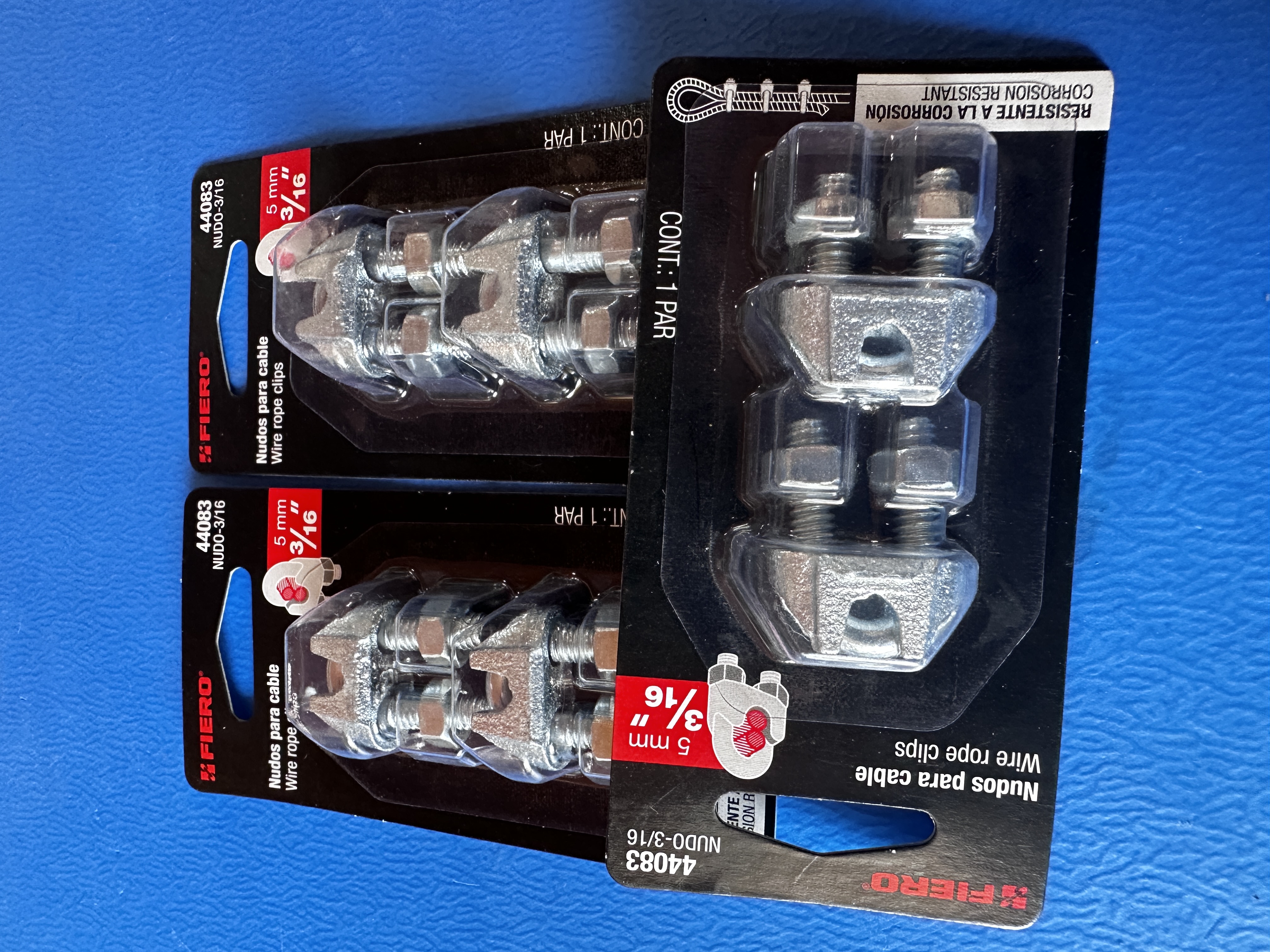
Blister thickness is typically measured in mils in North America. One mil equals exactly 0.001 inches. Global markets often use millimeters instead for standard measurements. Your specific selection depends entirely on product mass and associated puncturing risk. Thermoforming naturally stretches plastic, making the corners thinner than the original sheet. You must account for this thinning during your initial gauge selection.
Table: Hardware Packaging Thickness Decision Matrix
| Gauge (Mil) | Metric (mm) | Best Applications | Key Considerations |
|---|---|---|---|
| 10 - 15 Mil | 0.25 - 0.38mm | Small washers, picture hangers, single screws | Highly cost-effective; minimal puncture resistance; best for face-seal. |
| 20 - 25 Mil | 0.50 - 0.63mm | Drawer pulls, small brackets, light hand tools | Industry standard; excellent balance of rigidity and raw cost. |
| 30 - 40+ Mil | 0.76 - 1.0mm+ | Drill bit sets, heavy wrenches, robust hinges | Maximum protection; prevents flange tearing; requires robust tooling. |
Lightweight items perform exceptionally well in this specific thickness range. Common examples include small metal washers, picture hangers, and individual screws. This gauge thickness remains highly cost-effective for massive production runs. However, it explicitly offers minimal puncture resistance against sharp internal edges. We highly recommend utilizing this thickness strictly for basic face-seal cards.
Medium-weight hardware invariably requires a noticeable step up in structural durability. Drawer pulls, small mounting brackets, and lightweight hand tools fit perfectly here. This particular range serves as the trusted industry standard for general hardware lines. It beautifully balances necessary structural rigidity against ongoing raw material costs. It provides excellent shelf appeal without over-engineering the final solution.
Heavy or extremely sharp items demand absolute maximum physical protection. Think of comprehensive drill bit sets, heavy pipe wrenches, and heavy-duty gate hinges. This extreme thickness requires incredibly robust industrial tooling to thermoform accurately. Manufacturers often utilize it in full protective clamshells or heavy trapped blister designs. The exceptionally thick gauge aggressively prevents the product from breaking through the plastic.
The chosen material dictates much more than just physical durability. It directly governs your ongoing supply chain compliance across diverse global regions. Selecting the wrong polymer can instantly lock you out of major retail networks. You must align your material choices with both performance needs and sustainability goals.
Polyvinyl Chloride (PVC) consistently delivers exceptional impact resistance for heavy tools. It is exceptionally easy to thermoform accurately over complex geometric molds. PVC remains highly cost-effective for demanding, high-volume manufacturing runs. Historically, it served as the undisputed default for custom pvc blister packaging for hardware.
However, PVC currently carries significant modern regulatory risks. It faces strict environmental bans in progressive global markets like Europe. Many major North American hardware retailers are actively phasing it out entirely. You must aggressively verify your target retailer's material mandates before committing to PVC.
Polyethylene Terephthalate (PET and PETG) offers incredibly high retail clarity. It is highly recyclable across most standard municipal sorting systems. All major hardware retailers currently accept PET plastics without hesitation. PETG specifically offers superior heat-sealing capabilities over standard rigid PET options.
The primary drawback of PET revolves around slightly higher initial costs. PET generally runs marginally more expensive than traditional PVC sheets. It also requires highly precise temperature control during the critical sealing process. Poor temperature management during manufacturing can easily warp the cardboard backing card.
Material thickness alone will never save a fundamentally poor packaging design. The structural integrity of the blister cavity must actively disperse hardware weight. Good engineering inherently prevents dangerous pressure points from forming during transit drops. It effectively transfers sheer energy away from the weakest sealing points.
Heavy hardware explicitly requires a much wider sealing flange. The flange is the flat plastic edge glued directly to the backing card. A wider flange exponentially increases the surface area of the adhesive seal. This extra surface area desperately prevents heavy tools from ripping the card open.
Here is a shortlist of common packaging styles used for heavy hardware:
Appropriate structural choices elevate standard hardware blister packaging into a fail-proof retail asset. You protect both the product and your brand reputation simultaneously.
Transitioning from initial conceptual design to mass production requires a highly capable partner. You need a reliable manufacturer possessing specific industrial thermoforming capabilities. Not all packaging suppliers understand the extreme physics involved in heavy hardware retail.
Use this logical framework to evaluate and shortlist potential manufacturing partners:
Your immediate next step is highly actionable and straightforward. Audit your current product weights accurately across your entire hardware catalog. Draft a preliminary specification sheet based strictly on those documented weights. Finally, request a physical sample of both a 20-mil and 30-mil cavity for baseline transit testing.
A: Thickness is typically measured in "mils" (thousandths of an inch) in the US, or millimeters globally. Standard hardware packaging ranges from 15 mil (0.38mm) to 40 mil (1.0mm). You can verify exact thickness using a specialized digital micrometer on the unformed plastic sheet.
A: This is usually caused by either insufficient mil thickness (under-speccing) or a cavity design that allows the hardware too much movement during transit. Excessive movement generates kinetic energy that punctures the plastic. Upgrading from a face-seal to a trapped blister often solves this immediately.
A: Historically, PVC was preferred for its extreme impact resistance and low cost. However, PET/PETG is now the standard because it offers comparable strength while meeting the strict environmental and recyclability compliance standards demanded by modern hardware retailers worldwide.
A: While some generic sizes exist, hardware usually requires custom tooling (molds) to ensure the cavity perfectly contours the specific shape of the tool or fastener. A custom cavity effectively prevents internal movement, which ultimately prevents subsequent transit damage.


