
Views: 0 Author: Site Editor Publish Time: 2025-12-23 Origin: Site


In the food industry, packaging plays a crucial role in preserving the quality, freshness, and shelf life of fresh produce, particularly fruits. The choice of packaging material can impact everything from the fruit’s longevity to its appeal to consumers. Over the years, various packaging materials have been used to store and display fruits, each with its own set of advantages and challenges. Among the most widely used materials are plastic fruit containers, but how do they compare to other packaging options like paper, glass, and biodegradable packaging?
This comparative guide will delve into the benefits and limitations of plastic fruit containers in comparison to other packaging materials. We’ll examine how these materials stack up in terms of protection, sustainability, cost-effectiveness, and consumer convenience.
Plastic has become the go-to material for fruit packaging due to its versatility, durability, and cost-effectiveness. Let’s first explore the advantages and disadvantages of plastic fruit containers.
Durability and Protection: Plastic containers provide excellent protection against external damage. They are sturdy, lightweight, and resistant to cracks, which helps safeguard fruits from bruising or crushing. The structure of plastic containers is designed to shield the fruit from rough handling, transportation, and stacking.
Transparency: One of the most appealing features of plastic fruit containers is their clarity. PET (Polyethylene Terephthalate) plastic, often used for fruit containers, offers high transparency, allowing consumers to view the product clearly. This transparency not only makes the product more appealing but also increases consumer confidence as they can inspect the fruit for signs of ripeness, bruising, or other defects.
Ventilation: Many plastic fruit containers are designed with ventilation holes or perforations, which help maintain an optimal environment for the fruit. These holes allow air circulation, reduce moisture buildup, and prevent the accumulation of ethylene gas—a natural ripening agent that accelerates spoilage.
Lightweight and Cost-Effective: Plastic containers are relatively lightweight compared to glass or metal packaging, which makes them easier to handle, transport, and store. They are also cheaper to produce, which can result in lower costs for both retailers and consumers.
Customizability: Plastic containers can be easily molded into various shapes and sizes, offering a high degree of customization. This allows manufacturers to create containers that perfectly fit different types of fruits, such as berries, apples, or grapes.
Environmental Impact: One of the most significant drawbacks of plastic containers is their environmental impact. Plastic packaging, particularly single-use plastics, contributes to plastic waste and environmental pollution. Although plastics like PET are recyclable, not all plastic containers end up being recycled, and the material can take hundreds of years to break down in landfills.
Limited Biodegradability: Most plastic containers are not biodegradable, which means they persist in the environment long after use. As a result, plastic packaging has been the subject of increasing scrutiny, particularly with rising consumer demand for more sustainable options.
Potential for Chemical Leaching: While most food-grade plastics are considered safe, there is a concern about the potential for chemicals, such as BPA (bisphenol A), to leach from plastic containers into food. Although BPA-free plastic options are now available, the concern remains a point of debate for health-conscious consumers.
Paper packaging is another popular choice for storing fresh produce, including fruits. While it is not as commonly used for fruit storage as plastic, it offers certain benefits, especially when combined with other materials.
Sustainability: Paper is a renewable resource and is widely considered more environmentally friendly than plastic. It is biodegradable and can be easily recycled, making it a more sustainable option in many cases.
Breathability: Paper is a more breathable material than plastic, which can be beneficial for certain types of produce, such as apples and pears. Paper packaging allows air to flow freely around the fruit, reducing the buildup of excess moisture that could lead to mold and rot.
Consumer Perception: Consumers often view paper packaging as more eco-friendly, and it can enhance the brand image of products marketed as sustainable. Paper-based packaging also has a natural, rustic aesthetic that appeals to consumers looking for organic or environmentally conscious products.
Lack of Durability: Unlike plastic, paper packaging is less durable and more susceptible to damage. It can tear, bend, or degrade when exposed to moisture, making it less suitable for certain types of fruit, especially those with high water content like berries or grapes.
Limited Protection: Paper does not provide the same level of physical protection as plastic. Fruits packed in paper containers are more likely to get bruised or damaged during transportation, storage, and handling, especially if the packaging is not reinforced.
Cost and Production: While paper can be less expensive than some alternatives, high-quality, eco-friendly paper packaging can be more costly to produce. Additionally, paper packaging often requires more space for storage and may be less efficient for high-volume retailing.
Glass containers are often used for premium products and are less common for fruits compared to plastic and paper. However, glass offers some advantages that make it a choice for specific applications.
Superior Protection: Glass is an extremely durable material that provides excellent protection against external factors such as temperature fluctuations and moisture. For high-end fruits like exotic berries or stone fruits, glass can offer superior protection during storage.
Transparency and Aesthetic Appeal: Glass containers offer exceptional clarity and aesthetic appeal, which can enhance the consumer experience. The clean, premium look of glass packaging can make fruits appear more attractive, especially in upscale retail environments.
No Chemical Leaching: Unlike some plastics, glass does not leach harmful chemicals into food, making it a safer option for food packaging. This can be a selling point for consumers who are concerned about the potential health risks of plastic containers.
Fragility: The biggest downside of glass packaging is its fragility. Glass is heavy and prone to breaking when dropped or subjected to impact. This makes it less ideal for fruits that need to be transported over long distances or handled frequently, as the risk of damage is higher.
Weight and Handling: Glass containers are heavier than plastic, which can make them less convenient for transportation and storage. This can lead to higher shipping costs, especially for retailers dealing with large quantities of fruit.
Cost: Glass packaging is generally more expensive than plastic and paper. This can drive up the overall cost of the product, which may be a barrier for some consumers, particularly for everyday fruit purchases.
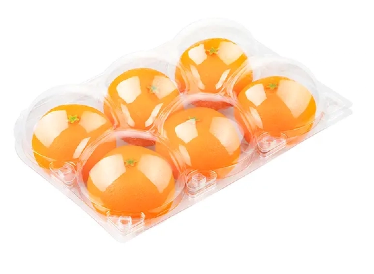
As sustainability becomes a higher priority for both consumers and businesses, biodegradable packaging options are gaining popularity. These packaging materials are designed to break down more quickly than traditional plastics, offering a more environmentally friendly alternative.
Environmentally Friendly: Biodegradable packaging materials are made from natural substances like cornstarch, seaweed, or plant fibers. These materials are designed to decompose naturally when exposed to air, water, or sunlight, significantly reducing environmental pollution.
Reduced Carbon Footprint: Because biodegradable packaging is made from renewable resources, it generally has a smaller carbon footprint than conventional plastic. Additionally, it typically requires less energy to produce.
Consumer Demand: As consumers become more environmentally conscious, they are increasingly seeking out products packaged in biodegradable materials. Brands that use biodegradable packaging often benefit from positive consumer perception and brand loyalty.
Cost and Availability: Biodegradable packaging is often more expensive to produce than traditional plastic packaging. Additionally, biodegradable materials are not always as readily available or as versatile as plastics, limiting their use in large-scale commercial applications.
Durability: Biodegradable materials are not as durable or moisture-resistant as plastic or glass. In some cases, they may not provide sufficient protection for fruits, especially those that need to be transported long distances or stored for extended periods.
Degradation in Humid Conditions: Biodegradable materials can begin to break down if exposed to moisture or humidity for too long. This can be problematic for certain types of fruit, such as grapes or berries, which tend to have higher moisture content.
When comparing plastic fruit containers to other packaging options, several factors need to be considered, including durability, environmental impact, cost, and consumer appeal.
Durability: Plastic offers the highest level of durability, protecting fruits from damage during transport and handling. Glass is also very durable but is more prone to breaking. Paper and biodegradable packaging, while eco-friendly, do not provide the same level of protection.
Sustainability: Paper and biodegradable materials are the most sustainable options, as they are biodegradable and recyclable. However, plastic packaging made from PET is also recyclable, and many companies are moving toward sustainable plastics to reduce environmental impact.
Cost: Plastic containers are typically the most cost-effective, making them a popular choice for mass-market retail. Glass packaging is the most expensive, followed by biodegradable materials, which can increase product costs.
Consumer Appeal: Transparent plastic is often the most visually appealing, allowing consumers to inspect the fruit before purchasing. Glass also offers high transparency and aesthetic appeal, making it ideal for premium products. Paper packaging, although eco-friendly, may not offer the same visual appeal as plastic or glass.
Choosing the right packaging for fresh fruits is crucial for both retailers and consumers. Plastic fruit containers are the most popular choice due to their cost-effectiveness, durability, and customizability, but alternatives like paper, glass, and biodegradable packaging offer their own unique benefits. The choice of packaging material ultimately depends on the specific needs of the product, consumer preferences, and environmental factors.
For those seeking to balance sustainability with practicality, biodegradable materials and recyclable plastics may provide the best of both worlds. However, plastic still holds a strong position due to its affordability, functionality, and ease of use. As the food packaging industry evolves, innovations in eco-friendly plastics, ventilation systems, and biodegradable options will continue to drive the future of fruit packaging, focusing on sustainability, convenience, and product preservation.


