
Views: 0 Author: Site Editor Publish Time: 2026-01-13 Origin: Site


In the world of retail, packaging plays a crucial role in product presentation, preservation, and consumer experience. For fresh produce, particularly fruits, packaging must meet multiple needs: it must protect the product, preserve its freshness, display it attractively, and be easy to handle and transport. Plastic fruit containers have evolved significantly over the years, offering innovative solutions that benefit both retailers and consumers alike.
With growing demand for sustainability, improved functionality, and enhanced aesthetics, the design of plastic fruit containers has become more sophisticated and versatile. In this article, we will explore the latest innovations in plastic fruit container designs, highlighting the features that are transforming the retail landscape.
Plastic fruit containers have evolved from simple, utilitarian designs to highly functional, consumer-friendly packaging solutions. The following key innovations represent the forefront of packaging design in the modern retail industry.
One of the most notable trends in packaging design is the increasing focus on sustainability. With growing environmental concerns and pressure from both consumers and regulatory bodies, retailers and manufacturers are seeking eco-friendly alternatives to traditional plastic packaging. This has led to significant innovation in the materials used to create plastic fruit containers.
Recyclable Materials: Many new plastic fruit containers are made from recyclable materials, such as PET (Polyethylene Terephthalate) and PP (Polypropylene). These materials are widely accepted in recycling programs, reducing the overall environmental impact of the packaging. By using recyclable plastics, companies help reduce plastic waste and promote a circular economy.
Plant-based Plastics: Another innovation is the development of bio-based plastics. These plastics are derived from renewable resources, such as corn starch, sugarcane, or algae, rather than fossil fuels. While still relatively new in the packaging industry, plant-based plastics are gaining popularity for their reduced carbon footprint and potential to be composted.
Degradable Plastics: Some manufacturers are exploring the use of oxodegradable and photodegradable plastics, which break down more quickly when exposed to light or heat. These materials offer an eco-friendly alternative to traditional plastics, as they reduce the long-term environmental impact after disposal.
While these eco-friendly materials are still evolving, they represent a significant step forward in making plastic fruit containers more sustainable, meeting the growing consumer demand for environmentally responsible packaging.
One of the key functions of plastic fruit containers is to preserve the freshness of the fruit by preventing premature ripening and spoilage. Traditional plastic containers often struggle with air circulation, leading to moisture buildup and the risk of mold growth. However, innovative designs now feature enhanced ventilation systems that help maintain the optimal environment for fresh produce.
Perforated Containers: Perforation is one of the simplest and most effective methods for improving airflow in fruit containers. By adding strategically placed holes or slots in the container, manufacturers allow air to circulate around the fruit, reducing moisture buildup and preventing the growth of mold or mildew. These perforations also help to disperse ethylene gas, which is produced by many fruits during ripening and can accelerate spoilage if trapped in the packaging.
Active Ventilation Systems: Some advanced designs incorporate active ventilation systems, such as membrane vents that regulate airflow based on temperature and humidity levels. These systems can adapt to environmental conditions, optimizing the storage conditions for different types of fruit. For instance, fruits like berries or grapes may need higher levels of ventilation compared to apples or citrus fruits.
Micro-perforated Films: In addition to perforated containers, micro-perforated films are often used as a secondary layer to wrap fruit or line the container. These films provide precise ventilation while maintaining the product's moisture content, which is important for fruits that are prone to drying out, such as apples or peaches.
By enhancing ventilation, these innovative designs help keep fruits fresher for longer, improving both their appearance and taste. As a result, consumers are more likely to choose products that maintain their quality for an extended period.
In the world of retail, space optimization is a critical factor in packaging design. Retailers need packaging that maximizes shelf space, enhances product display, and ensures ease of handling. Customizable and stackable plastic fruit containers have become a popular solution to meet these needs.
Stackable Containers: Modern plastic fruit containers are designed to be stackable, allowing retailers to efficiently store and display large quantities of produce without taking up too much space. Stackable designs also make it easier for customers to view the product from different angles, making the fruit more appealing.
Modular Designs: Some manufacturers have introduced modular plastic containers that can be combined or stacked together to create larger display units. These containers are particularly useful for displaying multiple types of fruits in an organized and visually appealing manner. Modular designs also help reduce waste by allowing consumers to purchase the exact amount of fruit they need, reducing the likelihood of excess packaging.
Customizable Inserts: To better accommodate different types of fruits, many containers now include customizable inserts or dividers that keep the fruit in place and prevent damage. These inserts are particularly useful for fragile fruits like berries or cherries, which are prone to squashing. Retailers can adjust the inserts to fit different sizes and types of fruit, improving product protection and presentation.
These stackable and customizable designs not only optimize retail space but also provide consumers with a more organized and visually appealing way to shop for fresh produce.
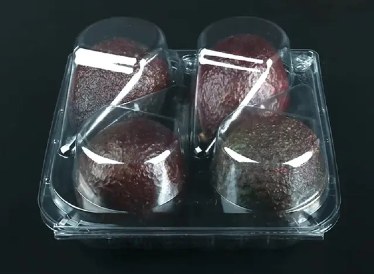
One of the primary advantages of plastic fruit containers is their ability to offer transparency, allowing consumers to see the produce clearly before making a purchase. This transparency enhances the consumer experience by making it easier for shoppers to assess the quality and ripeness of the fruit.
Crystal Clear Plastic: Advances in plastic technology have made it possible to create containers that are crystal clear, ensuring that the fruit inside is fully visible and enticing to consumers. Clear containers made from PET plastic offer exceptional clarity, making it easier to spot any imperfections or bruising on the fruit.
Windowed Designs: Another innovative approach is the use of windowed packaging, where a clear plastic window is integrated into the design. This allows customers to see the product inside while maintaining the protective benefits of the container. Windowed designs are often used for products like grapes, where it’s important to display the freshness and quality of the produce.
Printed Graphics and Branding: Along with transparency, modern plastic containers often feature high-quality printed graphics, which not only help market the product but also enhance the overall aesthetic appeal of the packaging. Bold, clear branding on transparent plastic containers gives the product a premium look, helping it stand out on the shelf.
The combination of transparency and attractive branding increases consumer confidence, as they can easily inspect the quality of the fruit before purchase. This leads to higher customer satisfaction and encourages repeat business.
In retail environments, packaging must also be designed for convenience and ease of use. Consumers appreciate lightweight packaging that’s easy to carry, and retailers benefit from packaging that is easy to store, transport, and stock.
Lightweight Containers: Modern plastic fruit containers are much lighter than their glass or metal counterparts, making them easier for consumers to handle and transport. This is particularly important for bulkier fruits or larger quantities, where the weight of the packaging can become a factor in consumer choice.
Secure Lids and Easy Access: Many new plastic fruit containers feature secure lids that can be easily opened without the need for additional tools, making them more consumer-friendly. This design also prevents the fruit from spilling or getting damaged during transport, ensuring that the product remains intact and fresh.
Different fruits have unique storage requirements, and as such, innovative plastic fruit containers are being designed to address the specific needs of various produce types.
Berries: Containers for berries often feature ventilated lids and molded trays that allow for better airflow while preventing the fruit from being crushed. Some containers have specially designed dividers or foam inserts that gently hold berries in place, reducing bruising and preserving their delicate texture.
Citrus Fruits: Citrus fruits like oranges, lemons, and grapefruits require packaging that offers more protection from the elements while still allowing the fruit to breathe. Many plastic containers for citrus fruits come with reinforced corners and thicker plastic walls for added durability.
Apples and Pears: For heavier fruits like apples and pears, sturdy plastic containers with thicker walls and reinforced bases are essential. Some innovative designs feature removable trays or padded dividers that prevent fruits from being jostled during transport.
These functional designs ensure that different types of fruit receive the protection they need while remaining fresh and appealing to consumers.
The evolution of plastic fruit containers has introduced practical and consumer-friendly packaging solutions. Innovations in sustainability, ventilation, design, and transparency have enhanced the effectiveness, appeal, and eco-friendliness of fruit packaging. These advancements help improve the freshness and quality of the product, making the shopping experience better for both retailers and consumers.
At Yuxuan Packaging, we offer a wide range of innovative plastic fruit containers that meet high standards of quality, sustainability, and functionality. Our packaging solutions are designed to preserve the freshness of fruits while providing attractive, user-friendly options that enhance the shopping experience. Whether you're a retailer or a consumer, Yuxuan Packaging has the perfect solution for your fruit packaging needs.


