
Views: 0 Author: Site Editor Publish Time: 2026-01-28 Origin: Site


When it comes to storing and preserving fresh produce, especially fruits, the type of container you choose can significantly impact the quality, freshness, and shelf life of the products. One of the most common and effective solutions for packaging fresh fruits is plastic fruit containers. These containers provide a variety of benefits, including protection, visibility, and easy handling, but with so many options available, selecting the right one can be a challenge.
In this article, we will explore the key features to consider when choosing the right plastic fruit container. Whether you’re a retailer, supplier, or consumer, understanding these essential factors will help ensure that your fruits remain fresh, protected, and appealing to consumers.
Before diving into the key features, it's important to understand why plastic fruit containers are so widely used in the food industry. Plastic fruit containers are designed to provide an optimal balance of protection, visibility, ventilation, and convenience. These containers are made from materials like polyethylene (PE), polypropylene (PP), and polyethylene terephthalate (PET), which offer different advantages in terms of durability, cost-effectiveness, and recyclability.
They are ideal for various types of fresh produce, such as berries, grapes, apples, citrus fruits, and tomatoes, as they help keep fruits fresh for longer periods. Additionally, plastic fruit containers are lightweight, making them easy to transport and display in retail environments.
Now, let’s look at the key features to consider when selecting the perfect plastic fruit container.
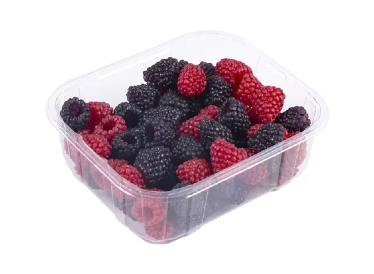
The first and most important factor to consider when choosing a plastic fruit container is the material. Different types of plastic offer varying levels of durability, flexibility, and environmental impact. Some of the most commonly used plastics for fruit containers include:
Polyethylene (PE): This is a versatile, lightweight material commonly used for fruit containers. It is cost-effective and offers good durability. However, it is not as clear as other materials like PET.
Polypropylene (PP): This material is often used for packaging fruits because it is highly resistant to chemicals and moisture. It is durable and ideal for heavier fruits, as it provides strength and protection.
Polyethylene Terephthalate (PET): PET is one of the most popular materials for clear plastic containers due to its excellent transparency. It’s strong, durable, and lightweight. PET is also recyclable, which makes it a more environmentally friendly choice.
When selecting a material, consider the fragility of the fruit you’re storing. For instance, berries may require a more lightweight, flexible container, while citrus fruits or apples may need a sturdier, more protective option.
Fruits produce ethylene gas during the ripening process, which can speed up the decay of other produce if it accumulates. Ventilation holes in the plastic fruit container help manage this by allowing air circulation and minimizing the buildup of ethylene gas. Proper ventilation also reduces moisture buildup, which can cause mold and rot.
When choosing a plastic fruit container, look for one that has strategically placed perforations or ventilation holes. These features help maintain an optimal atmosphere inside the container, promoting freshness and extending shelf life.
The size and number of ventilation holes are important factors to consider, as they must be appropriate for the type of fruit being stored. For example, berries need smaller ventilation holes to prevent them from falling through, while larger fruits like apples can handle larger vents.
The size and shape of the container should be tailored to the size and quantity of the fruit being stored. Fruit containers come in various sizes, from small clamshells designed for berries to larger boxes used for bulkier items like apples or tomatoes.
When selecting a size, consider:
How much produce you want to store: For single servings or smaller amounts of fruit, small containers are ideal. For bulkier fruits or larger quantities, you may need larger containers.
How much air circulation the fruit needs: Smaller containers are easier to stack, but larger containers may allow for better airflow and thus preserve the fruit for a longer time.
The shape of the fruit: For oddly shaped or irregular fruits, custom-shaped containers may be necessary to ensure that the product is securely contained without getting damaged.
Additionally, the container should be stackable. This is particularly important for retail spaces where maximizing storage space is crucial. Stackable containers help keep the product organized, make it easier to transport, and ensure that the fruits are neatly arranged on store shelves.
Durability is crucial when selecting a plastic fruit container. Fruits are delicate and can be easily bruised or crushed during transportation, storage, and handling. A high-quality plastic container should offer enough strength to protect the fruit from external pressure.
When considering durability, look for containers that:
Provide adequate protection against impact: The container should be able to withstand accidental bumps or drops during transportation or in storage without cracking or breaking.
Have cushioned interiors: Some containers come with foam inserts or molded trays that provide extra padding, preventing fruits from being squashed or damaged.
Have secure lids or seals: A well-designed, tight-fitting lid ensures that the container stays closed during transport, preventing the fruit from falling out or getting damaged.
For fruits like grapes, which are easily crushed, durable containers with molded cavities or trays that hold the fruit in place are especially beneficial.
One of the most significant advantages of plastic fruit containers is their transparency, which allows consumers to see the contents clearly. This is particularly important in retail environments, where product visibility plays a key role in consumer purchasing decisions. The more visible and appealing the fruit looks, the more likely it is to be picked up by consumers.
When selecting a plastic container, look for one that offers:
Clear, high-quality plastic: The plastic should be free from cloudiness, scratches, or discoloration to ensure maximum visibility. Containers made from PET or PVC are typically the clearest options.
A good presentation: The container should be designed in such a way that the fruit is displayed in an appealing manner. For example, the container should not be too deep or have unnecessary dividers that block the view of the fruit.
Proper visibility encourages consumers to inspect the quality of the fruit, which can enhance their confidence in the product and increase the likelihood of a purchase.
As concerns over plastic waste and sustainability continue to grow, consumers and businesses alike are increasingly focused on making more environmentally responsible choices. When choosing plastic fruit containers, consider the following environmental factors:
Recyclability: Choose containers made from materials like PET, which is widely recyclable. This ensures that the packaging can be reused for other products or recycled into new containers, reducing the environmental impact.
Sustainable materials: Some manufacturers offer fruit containers made from plant-based plastics or biodegradable materials, which provide a more eco-friendly alternative to traditional plastics.
Minimal plastic use: Look for containers that use the least amount of plastic necessary to ensure product protection while reducing waste.
By choosing sustainable materials, you contribute to reducing the environmental footprint of your packaging.
Lastly, cost is an important consideration, especially for retailers and businesses. Plastic fruit containers come in a wide range of prices, depending on the material, design, and features. While higher-end containers may offer better protection and presentation, they might come at a premium price.
When selecting a container, it’s essential to balance cost with performance. For example, if you are storing low-cost fruits that don’t require extensive protection, a more affordable container might be suitable. However, for high-end or delicate fruits like berries or exotic fruits, investing in high-quality containers will help preserve freshness and reduce spoilage, ultimately saving costs in the long run.
Choosing the right plastic fruit container is an essential decision for preserving the quality, freshness, and appeal of your fruits. Whether you're a retailer, a food distributor, or a consumer, understanding the key features that make up an ideal fruit container—such as material quality, ventilation, durability, size, transparency, and environmental impact—will help ensure that your produce stays fresh longer and meets the expectations of consumers.
At Yuxuan Packaging, we specialize in providing high-quality plastic fruit containers designed to meet the specific needs of fresh produce storage. With our experience in the packaging industry, we offer durable, transparent, and sustainable packaging solutions that help preserve the freshness and appearance of fruits while ensuring environmental responsibility. Our containers are tailored to meet both your functional and branding needs, providing you with the best possible packaging for your products.


