
Просмотров: 0 Автор: Редактор сайта Время публикации: 18.09.2026 Происхождение: Сайт


Точный контроль температуры – это не просто настройка машины на вашей производственной линии. Он действует как основная переменная, определяющая уровень доходности, целостность барьера и общую рентабельность инвестиций. Вы должны освоить эту тепловую динамику, чтобы поддерживать максимальную эффективность операций по упаковке полистирола. Полистирол обладает уникальными тепловыми свойствами. Он имеет гораздо более узкое окно для термоформования по сравнению с конкурирующими материалами, такими как ПВХ или ПЭТ. Когда оперативные группы не могут воспользоваться этим ограниченным окном обработки, они рискуют серьезной деградацией материала. Вам необходим строгий надзор, чтобы предотвратить дорогостоящие структурные сбои. Данное руководство служит инструментом технической и коммерческой оценки. Это помогает инженерам по упаковке и менеджерам по закупкам дорабатывать надежные Характеристики блистерной упаковки PS . Вы узнаете, как проверять данные о производительности и уверенно проводить аудит перспективного Поставщик блистерной упаковки PS . Управляя этими температурными переменными, вы обеспечиваете высоко предсказуемые и стабильные результаты производства.
Выход, диктуемый термической динамикой: PS имеет строгий переход в стеклообразное состояние и образует температурное окно; отклонения приводят к локализованному истончению, микротрещинам или нарушениям герметичности.
Корреляция дефектов: перегрев приводит к образованию перепонок и прилипанию; недогрев приводит к плохой четкости полости и структурному охрупчиванию.
Оценка поставщика имеет решающее значение: надежный поставщик должен предоставить проверяемые данные о термической стабильности, степени усадки и однородности смолы от партии к партии.
Синергия оборудования: оптимизация блистерной упаковки полистирола требует баланса трех взаимодействующих переменных: температуры формования, времени выдержки и давления инструмента.
Непонимание разницы между температурой формования и температурой сварки приводит к серьезным проблемам в бизнесе. Это часто приводит к исключительно высокому проценту брака на заводе. Эти две стадии работают по совершенно разной теплофизике. Вы должны откалибровать свое оборудование в соответствии с этими конкретными требованиями к материалам.
Стадия формования требует высокоспецифичного применения тепла для достижения идеальной температуры размягчения. Оптимальный диапазон формования обычно составляет от 130°C до 150°C для стандартного полистирола. Однако эти конкретные температуры незначительно различаются в зависимости от конкретной полимерной смеси. Вы должны точно контролировать распределение тепла по всему полотну. Правильный нагрев предотвращает образование «холодных пятен» вдоль полимерных цепей. Холодные точки вызывают сохранение материальной памяти. В конечном итоге они приводят к серьезному короблению окончательно сформированных полостей. Когда полимерные цепи не достигают полной подвижности, они сильно сопротивляются растяжению. Это сопротивление создает неравномерное распределение стен.
Стадия уплотнения полностью основана на другой механической физике. Вы должны управлять тонкой взаимосвязью между температурой, давлением сварки и временем выдержки. Эксперты отрасли называют эту взаимосвязь «уплотнительным треугольником». Если вы применяете неподходящие температуры запечатывания, вы нарушаете важнейшую связь между закрывающей фольгой и блистерной пленкой. Слабое уплотнение способствует быстрому проникновению влаги. В конечном итоге это может привести к серьезному загрязнению продукта. И наоборот, чрезмерное тепло при сварке вызывает ожог защитного лака. Это обжигание полностью разрушает барьерные свойства.
Сравнение этапов термической обработки
Этап обработки |
Целевой температурный диапазон |
Основная цель |
Критический риск отклонения |
|---|---|---|---|
Термоформование |
130°С – 150°С |
Достижение подвижности полимерной цепи |
Неравномерная толщина стенок, коробление |
Тепловая сварка |
Зависит от лака (часто 160°C+) |
Активация клеевых покрытий |
Расслаивание, разрушение барьера |
Предполагая, что формовочные и уплотняющие пластины могут работать при одинаковых уставках.
Игнорирование температуры окружающей среды производственного объекта.
Недостаточное время для стабилизации нагревательных пластин после запуска.
Устранение распространенных термических симптомов устраняет критический разрыв между поведением материала и настройками машины. Вы должны точно знать, какие физические признаки следует искать на производственной линии. Визуальные дефекты рассказывают полную информацию о ваших тепловых параметрах.
Признак 1: перепонки и сморщивания.
Чрезмерное нагревание приводит к преждевременному провисанию полимерной пленки. Материал свисает еще до того, как попадает на станцию формования. Это провисание приводит к немедленным косметическим дефектам и исключительно слабым углам полости. На чрезмерно пластифицированное полотно действует сила тяжести, создавая складки. Эти складки в конечном итоге создают высокий риск внезапного заклинивания машины. Чтобы исправить это, вам следует постепенно снижать температуру нагревательной пластины.
Признак 2: хрупкие полости и микротрещины.
Недостаточный нагрев не позволяет материалу правильно растягиваться в форме. Чрезмерно быстрое охлаждение впоследствии разрушает структуру полимера. Обе ошибки ставят под угрозу общую структурную целостность. После выброса пластик становится очень хрупким. Этот структурный дефект особенно важен для фармацевтической упаковки. Микротрещины разрушают стерильный барьер. Вы можете диагностировать это, осматривая углы полости в поляризованном свете. В напряженных углах будет наблюдаться сильное двойное лучепреломление.
Признак 3: Расслоение уплотнения.
Недостаточная теплопередача через инструмент делает окончательное уплотнение опасно слабым. Термосвариваемое покрытие не активируется полностью. Альтернативно, термическая деградация разрушает покрытие до того, как произойдет склеивание. Вы часто будете видеть мутные пятна вдоль сетки уплотнений. Надлежащее уплотнение должно выглядеть однородным и четким. Чтобы устранить эту проблему, необходимо сбалансировать время задержки уплотнения.
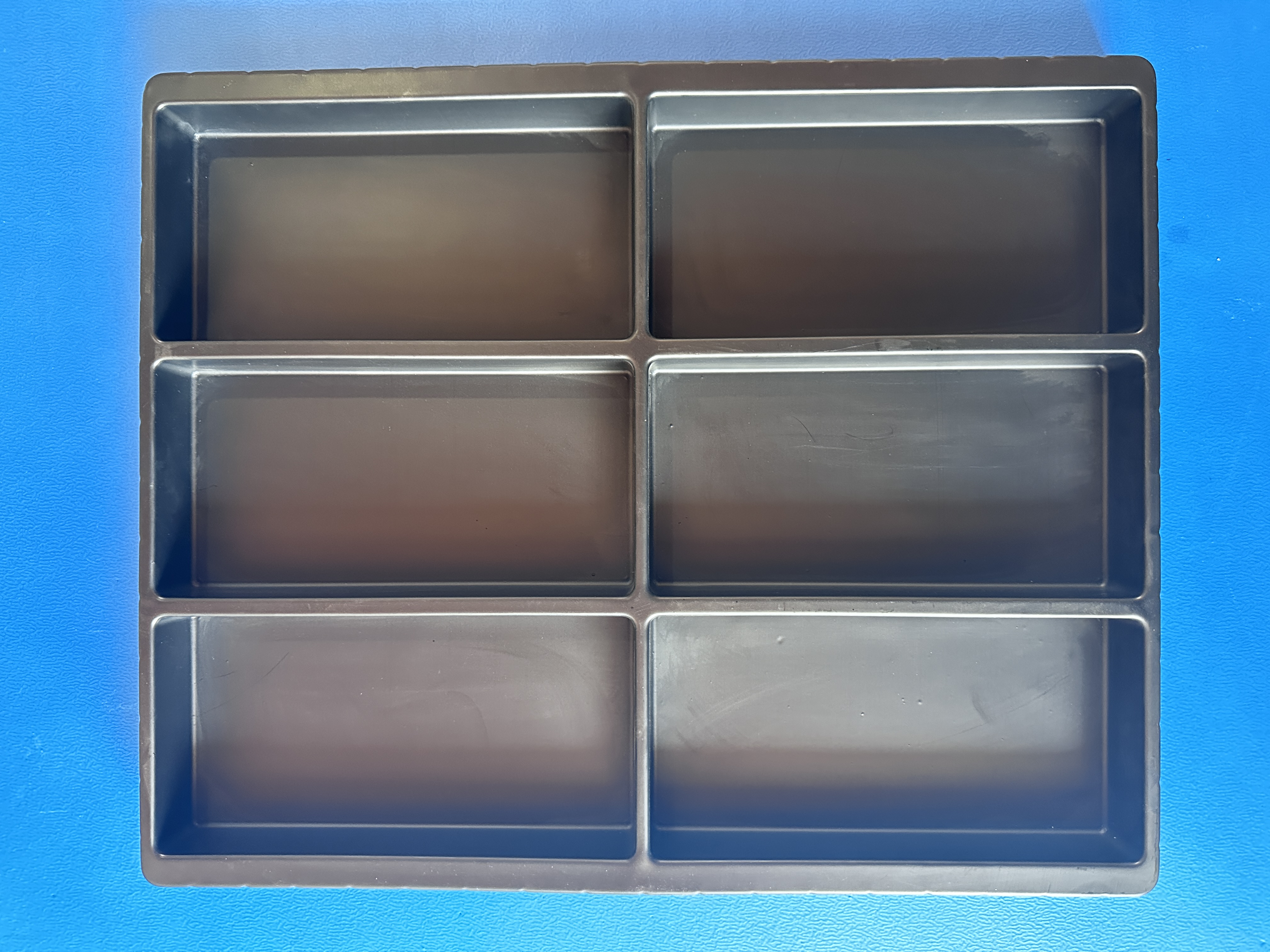
Документирование ваших тепловых требований обеспечивает высоко предсказуемые результаты производства. Вы не можете полагаться на устные договоренности или расплывчатые описания материалов. Четкая документация защищает всю вашу работу. Он устанавливает поддающиеся проверке базовые показатели для групп контроля качества.
Толщина материала напрямую определяет необходимое время нагрева. Профессионалы отрасли называют это датчиком материала. Более толстые манометры требуют значительно более длительного теплового воздействия. Они также требуют длительных циклов охлаждения для стабилизации сформированной формы. Например, пленка толщиной 400 микрон поглощает тепло гораздо медленнее, чем пленка толщиной 250 микрон. Вы должны соответствующим образом отрегулировать скорость вашего велосипеда. При составлении требований к PS блистерная упаковка , укажите точный допуск на толщину. Жесткие допуски обеспечивают равномерный нагрев по всей ширине полотна.
Вы также должны определить строгие допуски на рецептуру. Полистирол редко бывает чистым гомополимером. Производители часто добавляют специальные модификаторы ударной вязкости, такие как бутадиен. Эти модификаторы изменяют кривую теплопоглощения. Указание точных модификаторов ударной вязкости защитит вашу леску от неожиданных температурных изменений. Вы должны четко обозначить приемлемые соотношения переработанного контента. Высокие уровни перемолотого материала ведут себя непредсказуемо при нагревании. Они обладают другими показателями текучести расплава, чем первичные смолы.
Всегда учитывайте контекст окружающей среды. Температура окружающей среды на объекте сильно влияет на базовую калибровку машины. Сезонные сдвиги внутри предприятия могут изменить работу ваших нагревательных пластин. Зимние сквозняки через открытые двери погрузочной площадки преждевременно охлаждают полотно. Высокая летняя влажность изменяет теплопроводность окружающего воздуха. Вы должны установить стандартные операционные процедуры для противодействия этим переменным среды.
Проверка поставщиков требует глубокого изучения термической стабильности их материалов. Вы должны выйти за рамки стандартных структур ценообразования. Вы должны оценить их возможности технической поддержки и протоколы обеспечения качества. Активный поставщик выступает в роли технического партнера.
Используйте этот комплексный контрольный список аудита на этапе квалификации поставщика:
Предоставляют ли они непрерывные данные термогравиметрического анализа (ТГА) для своих производственных циклов?
Могут ли они предоставить отчеты дифференциальной сканирующей калориметрии (ДСК) для определения точных температур стеклования?
Как они контролируют допуск на толщину в широкоформатных веб-форматах, чтобы гарантировать равномерный нагрев?
Имеют ли они собственное испытательное оборудование для проверки степени усадки?
Как быстро они уведомляют клиентов об изменениях в рецептуре смол?
Иногда стандартные коммерческие фильмы не соответствуют уникальным требованиям к продукту. Возможно, вам придется продолжить индивидуальная блистерная упаковка PS . Изготовленные на заказ полимерные смеси позволяют обеспечить специализированное уплотнение при низких температурах. Этот инженерный потенциал имеет решающее значение. Вы должны защищать термочувствительные продукты, такие как активные инкапсулированные порошки или хрупкие биологические препараты. Компетентный поставщик спроектирует слой герметика таким образом, чтобы он активировался при гораздо более низких пороговых значениях.
Убедитесь, что у выбранного вами поставщика есть надежные планы действий в чрезвычайных ситуациях. Вам нужны надежные стратегии снижения рисков, чтобы справиться с неизбежными температурными колебаниями от партии к партии. Спросите их об их политике в отношении страховых запасов. Проверьте их стратегию поиска сырья. Сырьевые смолы из двух источников предотвращают внезапные температурные несоответствия во время крупных сбоев в цепочке поставок.
Переход от лабораторного прототипирования к высокоскоростному коммерческому производству ставит новые инженерные задачи. Масштабирование требует точного выбора инструментов и надежного управления станком. Вы не можете просто увеличить скорость цикла, не изменяя тепловые параметры.
Механизмы формирования пробки становятся незаменимыми на высоких скоростях. Механические пробки помогают равномерно распределить материал в глубокие полости до того, как будет достигнут окончательный вакуум. Материалы для пробок следует выбирать тщательно. Заглушки из синтактического пенопласта минимизируют передачу тепла от пластика. Алюминиевые пробки, наоборот, могут слишком быстро охладить материал. Вы также должны оценить формы с регулируемой температурой. Выбирайте между системами с водяным и воздушным охлаждением в зависимости от требований вашего цикла. Формы с водяным охлаждением поддерживают высокую скорость цикла, не перегревая окружающее оборудование. Правильно оптимизированные инструменты напрямую поддерживают большие объемы непрерывной обработки. PS линии блистерной упаковки .
Калибровка машины несет в себе неотъемлемые эксплуатационные риски. Стандартные ПИД-регуляторы температуры (пропорционально-интегрально-производные) часто требуют ручной точной настройки. Они не работают идеально прямо из коробки. Вы должны оптимизировать зоны пропорциональности, чтобы учесть серьезную термическую задержку. Эта задержка возникает в основном на этапах запуска машины и внезапного выключения. Нагревательным пластинам требуется время, чтобы восстановить потерянную тепловую энергию после остановки машины.
Задокументируйте базовые значения ПИД-регулятора перед выполнением каких-либо ручных корректировок.
Устраните «догадки» в настройках, внедрив безопасные уровни доступа к ЧМИ.
Используйте основанные на данных и рецептах температурные профили для каждой конкретной толщины пленки.
Научите операторов считывать визуальные признаки дефектов, а не просто следить за цифровыми датчиками.
Освоение контроля температуры при производстве полистирола остается крайне важной межфункциональной задачей. Это требует постоянного сотрудничества между отделами производства, обеспечения качества и закупок. Вы достигаете высокой производительности за счет точных настроек машины, точных характеристик материалов и строгих протоколов квалификации поставщиков. Игнорирование этих переменных напрямую приводит к дорогостоящему браку и снижению безопасности продукции.
Примите следующие действенные меры, чтобы обезопасить свою производственную линию:
Немедленно запросите подробные таблицы тепловых характеристик у поставщиков, включенных в короткий список.
Закрепите несколько рулонов образцов, чтобы проверить поведение материала в реальных условиях под вашими конкретными нагревательными пластинами.
Запланируйте специальное испытание линии, сосредоточив внимание исключительно на ограничениях термической обработки предлагаемой пленки.
Документируйте каждое изменение параметров во время испытания, чтобы создать надежный базовый рецепт.
Ответ: Стандартный диапазон формования обычно составляет от 130°C до 150°C. Однако точные параметры всегда зависят от толщины вашего листа, скорости цикла и конкретной смеси полимеров. Более толстые калибры, естественно, требуют температур, близких к верхнему пределу этого спектра, для адекватного смягчения.
Ответ: Скорость машины и температура находятся в обратной зависимости. Более высокие скорости цикла сокращают время пребывания пленки на нагревательных пластинах. Часто приходится повышать температуру нагревательной пластины, чтобы добиться необходимой теплопередачи. К сожалению, эта регулировка увеличивает риск ухудшения качества поверхности.
А: Да. Инженеры по материалам могут модифицировать слои герметика или корректировать смеси полимеров, чтобы снизить порог термической сварки. Эта специальная разработка безопасно инкапсулирует активные фармацевтические препараты, летучие порошки или деликатные биологические соединения без ущерба для окончательной целостности уплотнения.
Ответ: Быстрое охлаждение вызывает сильный тепловой удар внутри структуры полимера. Если температура формования недостаточна, материал не сможет растягиваться равномерно. Это создает встроенный материальный стресс. Когда находящийся под напряжением пластик остывает слишком быстро, он становится хрупким и на нем появляются микроскопические трещины.


